

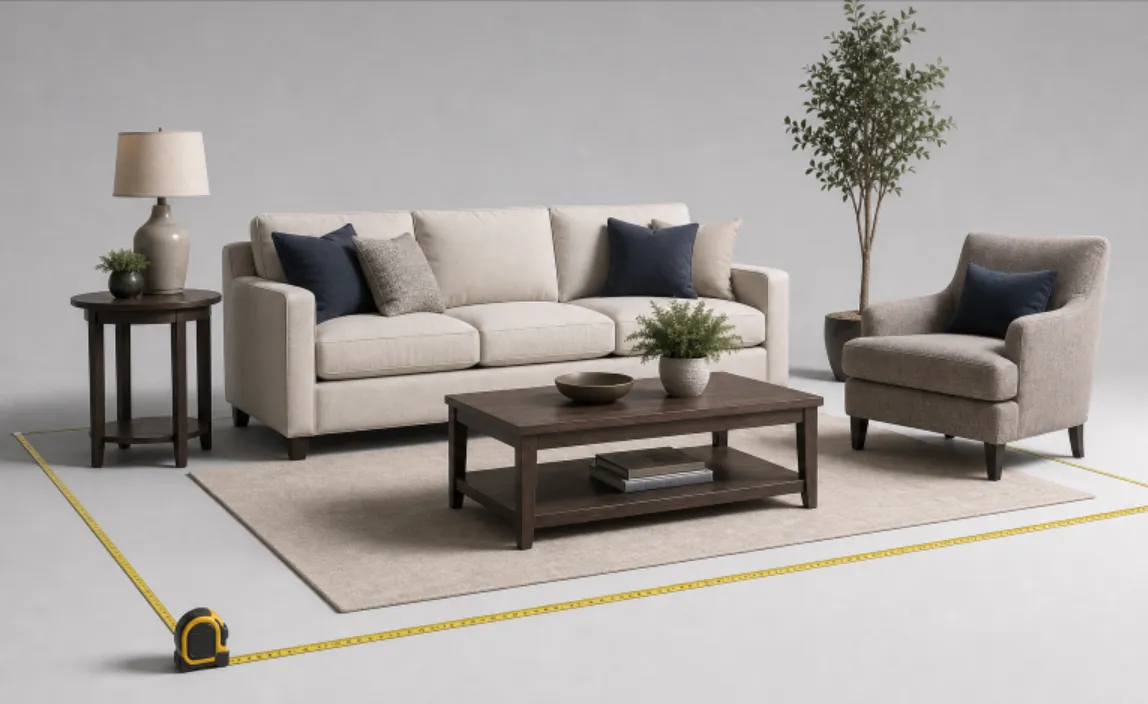
The best furniture does more than make a room look finished. It supports how people relax, work, eat, host, store belongings, and move through the home every day. Whether you are furnishing one room or starting over after a move, the goal is to select pieces that feel appropriate in scale and useful long after the excitement of shopping fades.
For homeowners who need a tailored solution for an unusual floor plan, a specific finish, or a piece with exact dimensions, bespoke custom furniture available in Salt Lake City can make it easier to balance practical needs with a personal design vision. Custom work is especially helpful when standard furniture leaves wasted space, blocks a walkway, or fails to provide the storage a room needs.
Why Furniture Should Support Real Life
A beautiful room can still be frustrating if its furniture does not match the people using it. A quiet reading room may need one supportive chair, a good lamp, and a small surface for a book. A busy family room may require easy-clean upholstery, hidden storage, flexible seating, and sturdy tables. A guest room might need a comfortable bed without taking over the space, while a home office needs support for focused work and regular movement.
Before looking at colors or trends, consider the room’s job. Ask who uses it, what happens there most days, what must be stored, and whether the room will serve more than one purpose. Children, pets, frequent visitors, hobbies, mobility needs, and work-from-home routines all affect the right choice.
A Quick Lifestyle Check
- What activities happen in this room every day?
- Which belongings need nearby storage or easy access?
- How much cleaning and maintenance is realistic?
- Will the room need to shift between work, rest, dining, or hosting?
Measure Before Choosing a Style
Measure wall lengths, ceiling height, windows, doors, outlets, radiators, and the open floor area. Then measure entry doors, apartment elevators, stairwells, hallways, and tight corners along the delivery route. A sofa can fit inside a living room, but still be impossible to bring through a narrow stair landing.
Make a simple top-down sketch and mark furniture footprints with painter’s tape on the floor. This turns a product listing into a real-world test of scale. It also reveals whether a piece will interrupt a route between the entry, seating, storage, and adjacent rooms. Practical guidance for measuring and arranging furniture can help you plan comfortable clearances before placing an order.
Build a Layout That Feels Easy to Use
Start with the largest item, such as a bed, sofa, dining table, or desk, and arrange smaller pieces around it. Protect clear paths to doors, windows, closets, and frequently used storage. Leave enough room for dining chairs to pull out, cabinet doors to open, drawers to extend, and recliners to operate fully.
In a living room, seating should encourage conversation rather than forcing every chair to face a screen. In an open-plan area, rugs, lighting, shelving, and console tables can define separate zones without building walls. Avoid automatically pushing every piece against the wall. Pulling seating slightly inward can make a larger room feel more connected and intentional.
Match Furniture to Daily Use
Think beyond a product’s label. A deep, low sofa may suit movie nights and lounging, but it can feel uncomfortable for shorter adults, older relatives, or anyone who prefers upright support. A dining table should accommodate everyday meals, occasional guests, and enough space to move around it. If a room handles homework, game nights, and overnight visitors, modular seating, nesting tables, storage benches, and sleeper furniture may offer more value than several fixed-purpose pieces.
Storage deserves equal attention. Bookcases, media cabinets, credenzas, benches, and closed shelving can prevent a room from becoming cluttered. Choose open storage for items you use often and closed storage for cords, toys, paperwork, linens, and visual noise.
Choose Materials for Your Household
Materials shape both the appearance and the workload of a room. Wood adds warmth and can be refinished in some cases, though soft woods and delicate finishes may show wear quickly. Metal is durable and visually light, while glass can make a compact room feel open but needs frequent cleaning. Leather develops character over time, and woven or upholstered pieces add softness and texture.
For homes with children or pets, consider performance fabrics, tightly woven textiles, removable covers, and finishes that tolerate regular cleaning. Read care labels before buying, not after a spill. Also, ask whether replacement cushions, slipcovers, hardware, or touch-up materials are available.
Balance Comfort With Support
Comfort comes from more than softness. Seat height, seat depth, cushion firmness, back angle, arm height, and lumbar support all matter. Sit in a chair or on a sofa for several minutes when possible, and try it as you would at home. Read, lean back, place your feet on the floor, and notice whether you can get up easily.
For a home office, choose ergonomic support before finish or color. An adjustable chair, appropriately sized desk, well-positioned screen, and enough legroom can make long work sessions more manageable. A visually appealing workspace is valuable, but it should not come at the expense of posture or movement.
Use Trends Without Letting Them Lead
Softer silhouettes, warm tones, mixed materials, and flexible rooms can add a current feel in 2026. Use those ideas in easier-to-change elements, such as pillows, lamps, artwork, throws, or an occasional chair. For expensive anchor pieces, choose proportions and materials you will still enjoy after a trend changes.
One distinctive item can bring personality to a room without making everything feel dated. A sculptural chair, colorful cabinet, or patterned rug may be enough. The strongest spaces reflect the household’s habits and preferences, not just what looks good in a photo.
Consider Indoor Air, Budget, and Quality
Ask about finishes, adhesives, upholstery components, and care instructions when purchasing new furniture. Good ventilation and source control can matter when introducing new furnishings, especially in smaller or tightly sealed homes. The steps that improve indoor air quality at home include reducing pollutants and maintaining adequate airflow. Do not block vents, radiators, or other important air paths with large furniture.
Create a full budget that includes delivery, assembly, protective pads, accessories, and future maintenance. Spend more on heavily used items such as mattresses, sofas, dining chairs, and desk chairs. Save on pieces that are easy to replace or likely to move between rooms. Before buying, inspect frame construction, joinery, drawers, hardware, cushions, weight limits, and warranty exclusions.
Final Furniture Decision Checklist
- Fit: Does it fit the room and delivery path?
- Function: Does it solve a real daily need?
- Comfort: Will the main users enjoy using it regularly?
- Durability: Can it handle the household’s level of wear?
- Care: Is its cleaning routine realistic?
- Value: Does the quality justify the total cost?
Furniture shopping becomes simpler when each decision starts with the room, the people in it, and the routines it must support. Measure carefully, plan the layout, test comfort, and choose materials with honest expectations about maintenance. The result is a home that looks personal, works hard, and stays comfortable for years.
