

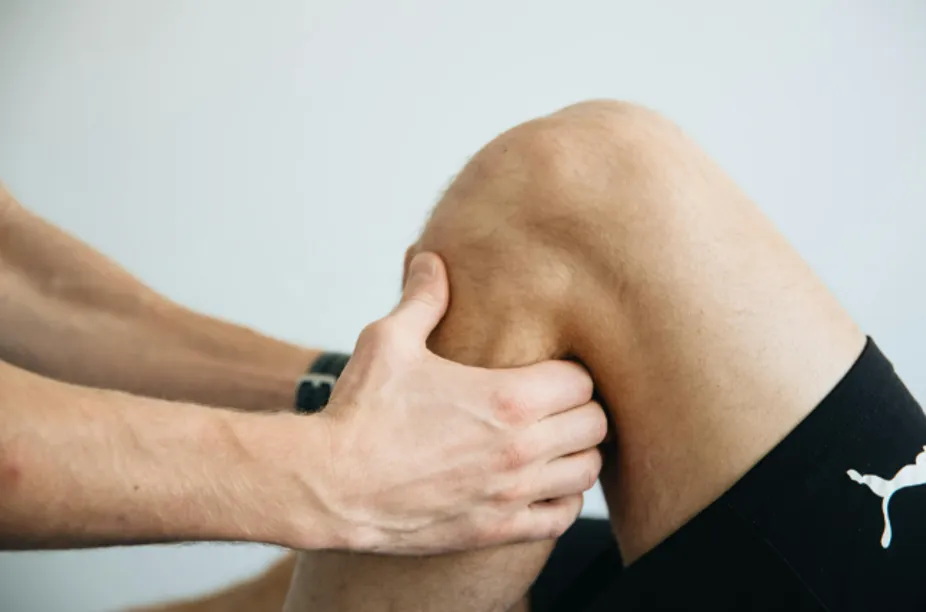
Many people in Hometown, IL, deal with stiff knees, sore hips, aching shoulders, or lower back pain without thinking much about what caused it. They assume joint pain comes with age or blame an old injury from years ago. In reality, small daily habits often play a bigger role than people realize. Sitting too long, wearing worn-out shoes, carrying heavy bags, or ignoring minor pain can slowly put extra pressure on joints every day. Over time, that pressure adds up and affects how comfortably you move, work, exercise, and sleep.
The frustrating part is that these habits usually feel harmless in the moment. Most people do them without thinking. The good news is that many joint problems improve when you catch these patterns early and make a few practical changes. Understanding how everyday routines affect your body can help you stay active, reduce discomfort, and avoid more serious problems later.
Ignoring Pain Until It Gets Worse
A lot of people push through joint pain because they assume it will go away on its own. Mild knee soreness, shoulder stiffness, or ankle pain often gets ignored for weeks or months. Some people avoid treatment because they stay busy with work, family responsibilities, or daily routines. Others simply hope rest will fix the problem. Unfortunately, untreated pain often becomes harder to manage later.
When one joint hurts, the body naturally shifts movement to avoid discomfort. That creates extra pressure on nearby muscles and joints, leading to additional pain over time. A small issue can slowly turn into a larger mobility problem. Many patients end up visiting the top orthopedic clinic in Hometown after struggling with symptoms much longer than necessary. Early treatment often gives people more options, including physical therapy, activity changes, and non-surgical care that may prevent long-term joint damage.
The Damage Caused by Poor Posture
Bad posture quietly affects joints from head to toe. Many people lean forward while using phones, round their shoulders while working, or sink into couches for hours every evening. These positions shift pressure onto areas that were never designed to handle constant strain. Neck pain, shoulder tightness, headaches, and lower back discomfort often start with simple posture habits repeated every day.
Poor posture also changes how the body moves. When the spine falls out of alignment, nearby joints try to compensate. Knees, hips, and ankles often carry extra stress because the body no longer moves evenly. Small adjustments make a noticeable difference over time. Keeping screens at eye level, sitting with both feet flat on the floor, and avoiding slumped positions during long workdays can help reduce unnecessary pressure on joints and muscles before pain becomes harder to manage.
Shoes That Put Stress on Your Body
Many people focus on comfort when buying shoes but ignore support and stability. Shoes affect much more than the feet. They influence how the knees, hips, and lower back handle pressure during everyday movement. Worn-out sneakers, heeled sandals, and unsupportive slip-ons often force the body into awkward movement patterns without people realizing it.
A common mistake is continuing to wear shoes after the cushioning breaks down. Even if the outside still looks fine, the inside may stop supporting the foot properly. That extra stress travels upward through the joints with every step. People who spend long hours standing or walking usually notice joint pain faster when footwear lacks support. Choosing shoes with proper arch support and replacing them regularly helps reduce strain throughout the body. Small changes in footwear can improve comfort during daily activities and help prevent ongoing joint irritation over time.
Skipping Strength and Mobility Work
Many people think exercise only matters for weight loss or fitness goals, but regular movement also protects the joints. Muscles help stabilize the body during walking, lifting, climbing stairs, and other daily activities. When muscles become weak or tight, joints absorb more pressure with every movement. That extra stress often shows up as knee pain, hip stiffness, or lower back discomfort.
Mobility exercises help joints move through their full range without strain. Stretching the hips, shoulders, and ankles improves flexibility and reduces tension around the joints. Strength training also supports long-term joint health when done correctly. Simple activities like walking, resistance band exercises, swimming, or bodyweight movements can help people stay active without putting excessive pressure on painful areas. Consistency matters more than intense workouts that leave the body sore and overworked afterward.
Sleeping Positions That Trigger Pain
Sleep posture affects joint comfort more than many people realize. A poor sleeping position can leave the neck, shoulders, hips, or lower back feeling stiff and sore by morning. People who sleep on their stomachs often place extra strain on the neck because the head stays turned for hours. Sleeping without enough support under the knees or neck may also increase pressure on joints overnight.
Mattresses and pillows play a major role in alignment. A mattress that sags too much may cause the spine and hips to shift into uncomfortable positions during sleep. Pillows that sit too high or too low can strain the neck and shoulders. Side sleepers usually benefit from placing a pillow between their knees to reduce hip pressure. Small adjustments at night often improve morning stiffness and reduce ongoing joint discomfort throughout the day.
Extra Weight and Joint Pressure
Body weight directly affects the amount of pressure placed on joints during everyday movement. Knees, hips, ankles, and the lower back handle most of that load while walking, standing, or climbing stairs. Over time, excess weight increases wear on the cartilage that cushions the joints. Many people notice joint discomfort during simple activities long before they experience pain during exercise.
Extra weight may also increase inflammation throughout the body, which can worsen stiffness and soreness in already sensitive joints. Even modest weight loss can reduce pressure on the knees and improve mobility for some people. The goal should focus on better movement and comfort rather than appearance. Balanced meals, regular movement, and sustainable habits usually help more than extreme dieting or intense workout plans. Joint-friendly activities like walking, cycling, swimming, and stretching support both mobility and overall physical health without placing unnecessary stress on painful joints.
Joint pain rarely appears overnight. In many cases, everyday habits slowly place extra pressure on the body until stiffness, soreness, or reduced mobility become harder to ignore. Long hours of sitting, poor posture, repetitive movement, weak muscles, and delayed treatment all affect how joints function over time. The good news is that small changes can make a real difference.
Paying attention to movement habits, using supportive footwear, staying active, and addressing pain early can help protect your joints for years to come. Most people do not need dramatic lifestyle changes to improve joint health. Consistent daily habits usually matter more. Taking care of your joints now can make everyday activities feel easier, support long-term mobility, and help you stay comfortable as you age.
