

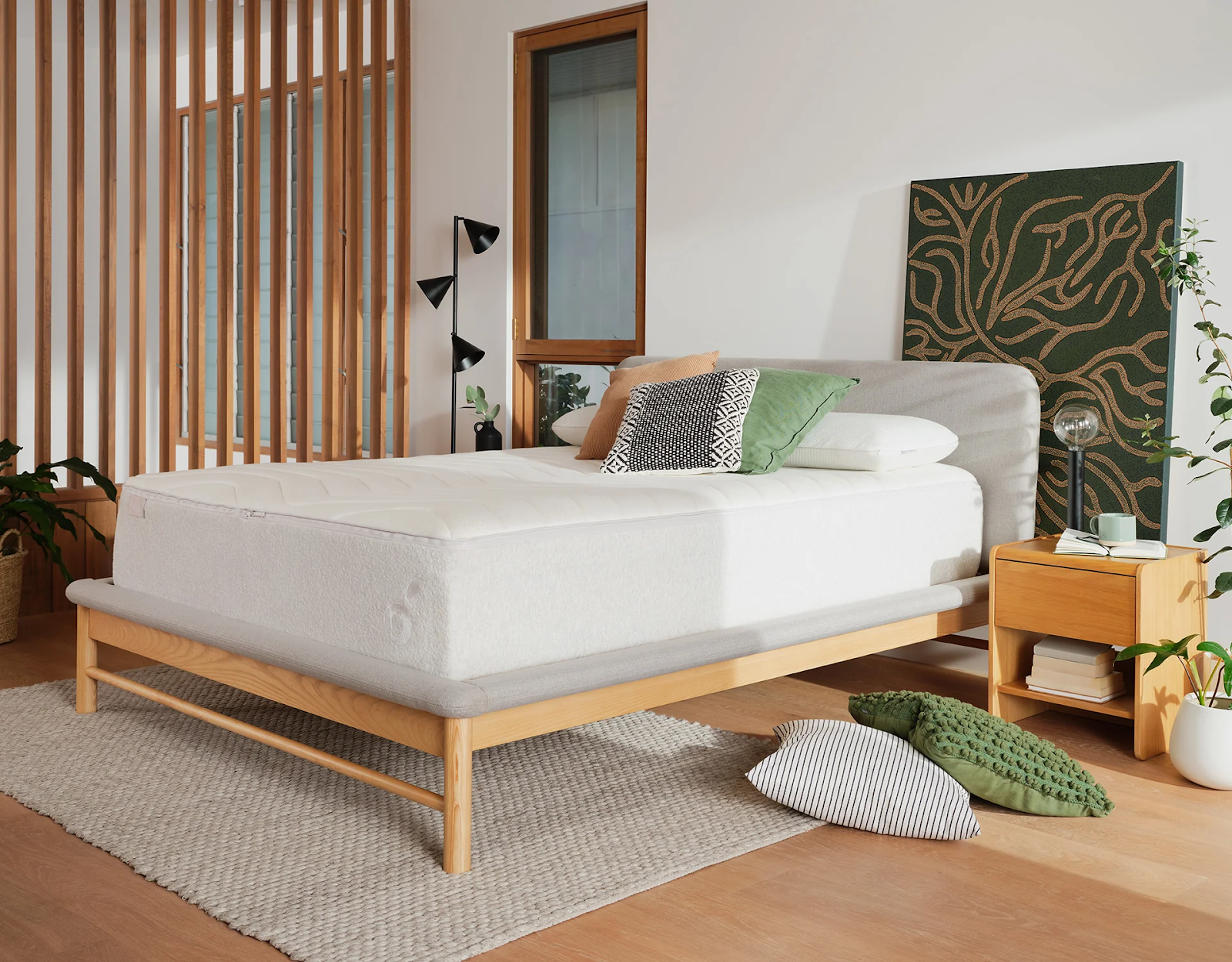
Think about this: if you log eight hours of shut-eye each night, you’ll spend more than 2,900 hours (about 121 full days) lying on a mattress each year. Yet many of us hang on to the same bed for close to a decade, long after sagging foam, poking coils, and midnight overheating begin to sabotage our sleep.
No wonder the wrong mattress is linked to daytime fatigue, back pain, and even mood swings. The good news is that a little structure goes a long way. This guide walks you through the main decision points so you can confidently find a model that fits your body and lifestyle.
Key Considerations Before You Shop
Before diving into specific brands or materials, grounding your search in your personal needs is the most important step. Reflect on these key areas to build a profile of your ideal sleep surface.
Your Primary Sleep Position
How you sleep dictates where your body needs the most support. Side sleepers typically require extra pressure relief for their shoulders and hips to prevent joint pain. Back sleepers generally benefit from a medium level of support that maintains the natural curve of the spine, while stomach sleepers often need a firmer surface.
Body Type & Support Needs
A mattress will feel different to people of different weights. Heavier bodies compress foam and coils more deeply, while lighter bodies may perceive the same mattress as being much firmer. Manufacturers’ firmness labels are only a starting point; always consider how your own body weight will interact with the materials.
Temperature Sensitivity
If you often wake up feeling too warm, your mattress could be a contributing factor. For those who “sleep hot,” look for designs that prioritize breathability. Features like open-cell foams, pocket-coil cores that allow for airflow, and cooling fabrics can make a significant difference in temperature regulation.
Allergies & Chemical Sensitivities
For individuals with allergies or sensitivities, the materials in a mattress are critical. Look for certifications that ensure low chemical emissions, like CertiPUR-US® certified foams or GOLS-certified organic latex, which is both naturally hypoallergenic and sustainably sourced.
Lifestyle Factors
Your daily life impacts your needs. Do you share the bed with a partner, kids, or pets? If so, motion isolation becomes a top priority. A well-designed mattress from Koala incorporates materials that absorb movement, ensuring one person’s tossing and turning doesn’t disrupt the other’s sleep.
Mattress Types Explained
The modern mattress market offers far more variety than the one-size-fits-all coil beds of decades past. Understanding the core construction types will help you identify which design aligns best with your sleep preferences and physical needs:
- Innerspring: The traditional choice, known for its bouncy feel and strong edge support. However, interconnected coils can sometimes transfer motion across the bed.
- Memory Foam: Offers excellent body contouring and pressure relief, making it ideal for isolating motion. Basic memory foam can sometimes retain heat unless it is infused with cooling materials like gel or copper.
- Latex: A responsive and durable material that is naturally breathable. It provides a more buoyant feel than memory foam and is often sourced sustainably, though it comes with a higher upfront cost.
- Hybrid: This popular category combines comfort layers of foam or latex with a supportive core of pocketed coils. The goal is to offer a balanced feel that captures the benefits of multiple materials.
- Smart & Airbeds: These high-tech beds use air chambers to allow for adjustable firmness. They often come with app integration for sleep tracking and dual-sided controls for partners.
Finding Your Goldilocks Firmness & Feel
Mattress companies typically rate firmness on a 1–10 scale, where 1 is exceptionally soft and 10 is extra firm. Most sleepers find their ideal comfort level somewhere between a 5 and 7. However, body weight significantly shifts this perception, so a “medium” mattress can feel very different to lighter or heavier individuals.
You can perform a simple at-home test to check for proper support. While lying flat on your back, try to slide a hand into the space under your lower back. If it slips through with too much room, the bed may be too firm. If you can’t get your hand in at all, it’s likely too soft.
Laying It Down
Selecting the right bed boils down to a careful evaluation of your unique needs. By focusing on the key checkpoints, you can move beyond marketing jargon and make an informed decision that will support your well-being for years to come.
First, analyze your personal needs: your primary sleep position, body type, and temperature preferences. Next, establish a realistic budget, keeping in mind potential hidden costs.
Finally, consider the logistics, including room size and delivery access. Armed with this framework, you are well-equipped to find a mattress that provides truly restorative sleep.
