

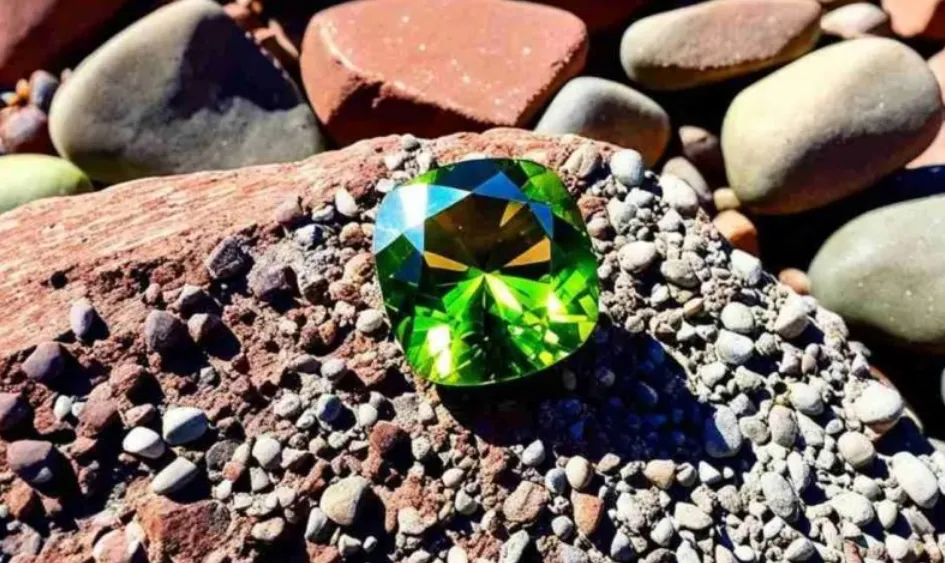
What makes a desert state like Arizona stand out as a global name in jewelry? The answer lies in a rare combination of cultural heritage, mineral wealth, and market growth that has steadily built its reputation over time. From centuries-old Native American craftsmanship to modern trading hubs and luxury showrooms, Arizona has cultivated an environment where both sellers and buyers find lasting value. This balance of tradition and opportunity is what has turned the state into a magnet for jewelry enthusiasts from around the world.
Historical and Cultural Foundations
Arizona’s jewelry story begins with deep cultural roots. Native American tribes, especially the Navajo, Hopi, and Zuni, developed unique traditions of silversmithing and turquoise jewelry that remain iconic today. These designs were more than decorative; they carried spiritual meaning, represented family heritage, and often symbolized a connection to the land. Their popularity spread far beyond the region, creating an early reputation for Arizona as a place where authentic craftsmanship thrived.
Alongside these traditions, influences from Mexican artisans and the broader Southwest brought additional styles and materials into the mix. The blending of cultural techniques resulted in distinctive jewelry designs that continue to be sought after by collectors and everyday buyers alike. This cultural richness gave Arizona a strong foundation that helped the state build a long-term reputation for unique, handcrafted jewelry.
Arizona’s Role in Gem and Mineral Resources
Arizona’s natural resources played a major role in shaping its jewelry market. The state is rich in minerals, particularly turquoise and copper, which have been mined for centuries. Turquoise from Arizona, known for its vibrant hues, became highly valued not only in local traditions but also in global markets. Access to these raw materials gave jewelers in the state a practical advantage, allowing them to create pieces without relying heavily on imports.
Copper mining, another cornerstone of Arizona’s economy, also contributed to jewelry production. While copper was primarily an industrial resource, it found its way into artistic and decorative uses, including jewelry design. The state’s mining towns and markets became natural gathering places for traders, miners, and artisans, fostering an ecosystem that connected resources directly with skilled craftsmanship.
Why Sellers Choose Arizona
For those looking to sell jewelry, Arizona offers a unique mix of opportunities. The state’s strong tourism industry brings in buyers from around the world, creating a constant flow of demand. Retirees and long-time collectors in the state also contribute to a steady market for pre-owned jewelry, ensuring sellers can find fair value for their pieces.
Another major advantage is the presence of experienced appraisers and jewelry buyers in Scottsdale, Phoenix and beyond, who understand both heritage pieces and modern luxury items. This expertise creates a level of trust for sellers, who can feel confident that their items will be accurately evaluated and competitively priced. With established markets in key cities, Arizona has become a reliable place for jewelry owners to sell confidently.
Modern Jewelry Markets and Trading Hubs
As Arizona’s population grew and cities like Phoenix and Tucson expanded, jewelry markets naturally developed. Trading posts that once catered to travelers and locals evolved into established jewelry shops. Over time, entire districts became known for buying, selling, and appraising fine jewelry, turning these communities into trusted centers of trade.
Events also played a big part in this growth. The Tucson Gem and Mineral Show, for example, became a major annual attraction, drawing sellers, collectors, and enthusiasts from around the world. The event highlighted Arizona as a global hub for gems and jewelry, reinforcing the state’s reputation not only for its local traditions but also as an international meeting point for trade.
Modern Jewelry Industry in Arizona
Today, Arizona’s jewelry industry reflects both its cultural heritage and its embrace of modern trends. Cities such as Scottsdale and Tucson have developed reputations for offering high-end jewelry, from handcrafted designs to luxury diamonds and watches. These locations attract a mix of buyers, from tourists seeking a one-of-a-kind piece to serious collectors looking for investment-grade items.
At the same time, many jewelers in Arizona have expanded beyond physical stores to build strong online presences. By blending in-person expertise with digital access, Arizona’s jewelry industry has managed to reach national and even global audiences. This hybrid approach keeps the market competitive while ensuring local traditions remain part of the global conversation.
Why Buyers Flock to Arizona
Buyers are equally drawn to Arizona because of the wide variety of jewelry available. From handcrafted Native American silver and turquoise pieces to high-end diamonds and luxury watches, the selection is diverse and appealing. This variety makes Arizona attractive not only to everyday shoppers but also to serious collectors seeking rare finds.
Competitive pricing is another factor that sets Arizona apart. Compared to traditional luxury markets in cities like Los Angeles or New York, buyers often find that jewelry in Arizona offers strong value without compromising on quality. Long-standing reputations for transparency and fairness also encourage repeat buyers, helping Arizona maintain its status as a magnet for jewelry enthusiasts.
Arizona’s Jewelry Market and the Future
Arizona’s jewelry market is expected to continue evolving with global trends. Sustainable and ethically sourced jewelry is becoming increasingly important to buyers, and Arizona’s jewelers are adapting by offering products that meet these expectations. This focus not only appeals to younger generations but also helps the state remain relevant in an ever-changing industry.
At the same time, Arizona’s deep cultural heritage ensures that traditional styles will remain in demand. The mix of modern luxury, global trade, and historic craftsmanship creates a balance that few other markets can match. As international attention continues to grow, Arizona is likely to strengthen its role as both a cultural and commercial hub for jewelry in the years to come.
Conclusion
How does a place become more than just a market and instead a destination? Arizona achieved this by combining history, resources, and trust into one cohesive story. Sellers are drawn by reliable demand and fair evaluations, while buyers are attracted by the diversity, authenticity, and competitive pricing of jewelry found here. The result is a state that not only honors its past but also adapts to the future, securing its place as one of the most dynamic jewelry hubs in the country.
