

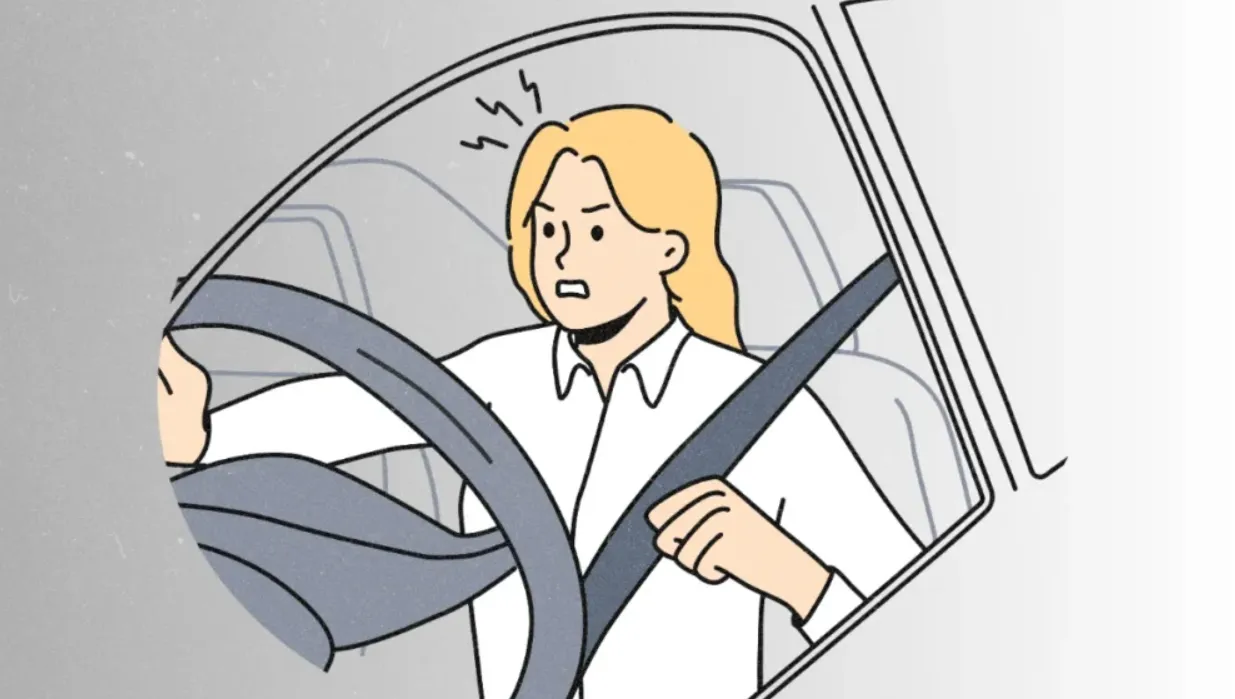
Imagine the open road stretching before you, the wind tousling your hair, and not a worry in sight. That’s the exhilarating joy of driving without fear. For many, however, the reality of getting behind the wheel is far from this idyllic picture. Anxiety, uncertainty, and a lack of confidence can turn what should be an empowering experience into a nerve-wracking ordeal. But don’t worry! This guide is designed to transform your driving experience, leading you towards a future of confident and fearless navigation.
First Stop: Top 10 Tips for Safe Driving
Here are ten essential tips you should know from Coastline Academy’s driving school:
Tip 1: Maintain a Safe Following Distance
Always keep at least a three-second gap between your vehicle and the one in front. This buffer allows you ample time to react to sudden changes in traffic conditions.
Tip 2: Check Your Blind Spots
Before changing lanes or making turns, always check your blind spots. A quick glance over your shoulder can prevent potentially dangerous situations.
Tip 3: Use Your Turn Signals
Communicate your intentions to other drivers by consistently using your turn signals when changing lanes or turning.
Tip 4: Adjust Your Mirrors Properly
Ensure your mirrors are correctly positioned to minimize blind spots and maximize your field of vision.
Tip 5: Avoid Distractions
Keep your focus on the road. Avoid using your phone, eating, or engaging in other distracting activities while driving.
Tip 6: Obey Speed Limits
Adhering to posted speed limits not only keeps you legal but also gives you more time to react to unexpected situations.
Tip 7: Be Aware of Weather Conditions
Adjust your driving to suit the weather. Slow down in rain, snow, or fog, and increase your following distance.
Tip 8: Practice Defensive Driving
Always be prepared for the unexpected. Anticipate potential hazards and be ready to react safely.
Tip 9: Perform Regular Vehicle Maintenance
Keep your vehicle in good condition. Regular maintenance ensures your car is safe and reliable on the road.
Tip 10: Stay Calm in Traffic
Maintain your composure in heavy traffic or when faced with aggressive drivers. Your calm demeanor will help you make better decisions.
Implementing these tips consistently will significantly improve your driving skills and boost your confidence on the road. Remember, safe driving is a continuous learning process, and even experienced drivers can benefit from refreshing their knowledge and skills regularly.
Next Up: Let’s Decode Traffic Signs
Knowing your traffic signs well is key to driving safely and confidently. These important road signs communicate crucial information, guiding drivers through various traffic situations and potential hazards. Let’s get to know traffic signs better from Coastline Academy’s driving lessons.
Traffic signs are categorized into three main types:
Regulatory Signs
These signs inform drivers of traffic laws and regulations. They are typically red and white or black and white.
- Stop Signs: Octagonal red signs that require a full stop.
- Yield Signs: Triangular signs indicating drivers must give way to other traffic.
- Speed Limit Signs: Rectangular signs displaying the maximum legal speed.
Warning Signs
These signs alert drivers to potential hazards or changes in road conditions. They are usually yellow with black symbols or text.
- Curve Ahead: A sign showing a curved arrow warns of an upcoming bend in the road.
- Pedestrian Crossing: A sign with a walking figure alerts drivers to possible pedestrians.
- Slippery When Wet: This sign warns drivers to exercise caution in wet conditions.
Informational Signs
These signs provide helpful information to drivers. They are typically rectangular and blue or green.
- Direction Signs: Arrows indicating the direction to specific destinations.
- Service Signs: Symbols showing the location of gas stations, restaurants, or hospitals.
- Mile Markers: Signs indicating distance along highways.
Understanding and obeying traffic signs is crucial for several reasons: safety, legal compliance, efficient traffic flow, and predictability. Ignoring traffic signs can lead to dangerous situations, accidents, and even fatalities. For instance, running a stop sign could result in a collision with cross traffic, while speeding in a school zone puts children at risk.
On the Road: How to Brake Safely
Getting good at safe braking is really important for any driver. It’s not just about pressing the brake pedal; it’s about understanding the science behind the process and knowing how to apply this knowledge in various driving situations. Let’s understand the science behind safe braking from Coastline Academy’s lesson on safe braking.
At its core, braking is about converting kinetic energy (the energy of motion) into heat energy through friction. When you press the brake pedal, it activates the brake pads, which clamp onto the brake rotors (or drums in some older vehicles). This friction slows the rotation of the wheels, eventually bringing the vehicle to a stop.
Several factors influence how quickly a vehicle can come to a stop, including speed, road conditions, tire condition, vehicle weight, and brake condition. Safe braking involves three distinct phases: perception time, reaction time, and braking time.
Techniques for safe braking include progressive braking, threshold braking, cadence braking, and engine braking. Modern vehicles also come equipped with technologies like Anti-lock Braking Systems (ABS), Electronic Brake-force Distribution (EBD), and Brake Assist to enhance braking safety.
Understanding the science behind safe braking empowers drivers to make better decisions on the road. It allows for more accurate judgment of stopping distances, better anticipation of potential hazards, and overall safer driving practices.
Ending Our Journey: Driving with Confidence
As we conclude our journey through the realms of safe driving, it’s clear that fearless and confident driving is within reach for every motorist. By internalizing the top 10 safe driving tips, developing a thorough understanding of traffic signs, and mastering the science of safe braking, you’ve equipped yourself with a powerful toolkit for navigating the roads with assurance.
Remember, safe driving is not just about following rules; it’s about developing a mindset of responsibility and awareness. Each time you get behind the wheel, you have the opportunity to put these principles into practice, gradually building your confidence and skills. The open road need not be a source of anxiety but an invitation to freedom and exploration.
Once you’ve read through this guide, feel the confidence that comes with knowledge and preparation. Embrace the joy of driving, knowing that you’re well-equipped to handle whatever the road may bring. Safe travels, and may your journeys be filled with the exhilaration of fearless driving!
