

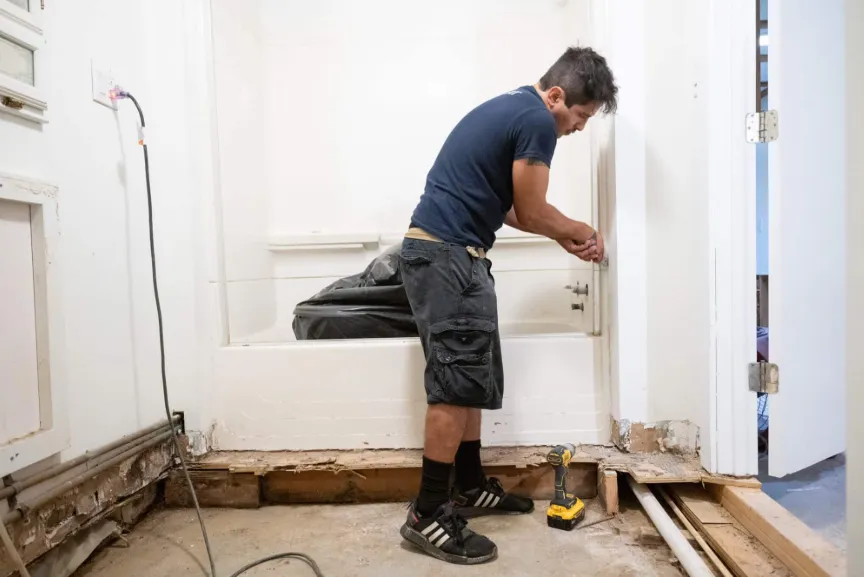
Water damage can happen when you least expect it, leaving you unsure of what to do next. Taking immediate action is crucial for minimizing property loss and ensuring your family’s safety. Whether you are dealing with minor leaks or major flooding, understanding the right steps for restoration can help you manage the situation confidently and efficiently. If you need expert advice or professional assistance, you can learn more about trusted water damage services in your area.
This detailed guide breaks down the essential steps for successful water damage restoration, helping you reclaim your home and peace of mind.
According to experts like the American Red Cross, immediate attention to water damage is vital for both safety and reducing overall repair costs. Even a few hours of delay can significantly worsen the impact of a water event, so acting promptly is in your best interests. For more comprehensive information on handling home emergencies, reliable organizations such as the American Red Cross offer valuable resources.
Safety First
Before you address the visible water damage, ensure the environment is safe. Water and electricity are a dangerous mix, so start by shutting off the power if water levels have reached outlets or electrical panels. Always wear protective clothing, including gloves, boots, and a mask, to guard against contaminated water and potential structural hazards. If the structural integrity of your home is in question, avoid entering the area until authorities deem it safe.
In cases where the water source might be contaminated, such as with sewage backup or floodwaters from outside, the risks to your health are even higher. Not only can such water contain harmful bacteria and viruses, but it may also transport hazardous debris that can cause injury. Sheltering in place may be necessary until help arrives, especially if roads are flooded or if the incident occurs during a severe weather event. Ensure all family members, including pets, are accounted for and kept away from the affected areas until the environment is secured.
Identify and Stop the Water Source
Successfully restoring your home begins with stopping further water intrusion. Determine whether the water is coming from a burst pipe, malfunctioning appliance, leaky roof, or external flooding. Once you’ve identified the source, shut off your main water supply if necessary or temporarily patch leaks. This immediate action is crucial in halting the spread of water and reducing the extent of the damage.
When locating the source of the water, note any patterns that may indicate underlying maintenance issues, such as consistently clogged gutters or drainage problems. By documenting the source and circumstances of the water event, you can also make the insurance claim process smoother. Take clear photographs of both the source and the damaged areas for your records, as insurers often require visual proof to approve restoration claims.
Remove Standing Water
Standing water accelerates property deterioration and creates an ideal environment for mold growth. Use pumps, wet-dry vacuums, or even buckets to extract as much water as possible. For deep or contaminated flooding, professional help may be needed. Quick water removal helps protect your home’s structure and contents from further harm and limits the risk of health hazards.
Pay attention to every affected room, including hidden areas like closets, storage spaces, and beneath major appliances. Move furniture and personal items to a dry, safe location if possible. While acting quickly is key, be cautious about lifting or moving objects that may be waterlogged, as they can become surprisingly heavy and pose a risk of injury. If carpets or rugs are saturated, consider rolling them up and placing them outdoors to dry, but check for safety hazards first, such as slippery floors.
Dry and Dehumidify
Once standing water has dried, all surfaces and materials must be thoroughly dried. Open windows to increase ventilation, set up fans to promote air circulation, and operate dehumidifiers to remove lingering moisture from the air. This step is vital for avoiding mold and mildew growth, which can start within 24 to 48 hours of water exposure. According to the Environmental Protection Agency, prompt drying is the most effective way to prevent toxic mold in water-damaged homes.
Keep in mind that drying processes can take several days, especially in cases of severe flooding. Check on progress periodically and continue running the ventilation and dehumidification equipment until moisture meter readings confirm that materials are no longer damp. Monitoring humidity levels and checking for hidden moisture behind walls or under flooring can help prevent unnoticed mold growth, which can result in costly future repairs.
Clean and Disinfect
After your home begins to dry, it is important to clean all surfaces thoroughly with disinfectants that kill bacteria and other microbes. Special attention should be paid to porous items such as carpeting, upholstered furniture, and drywall, as these can retain moisture and contaminants. While some materials can be cleaned and salvaged, others may need to be discarded if they are saturated and cannot be dried out quickly or safely. For more advice on cleaning methods, Consumer Reports Water Damage Cleanup Tips provides a helpful overview.
Curtains, bedding, and clothing exposed to floodwater should be laundered separately using hot water and detergent. When cleaning, don’t forget kitchen and bathroom cabinets, as well as other overlooked areas. Pay special attention to baseboards, trim, and cabinetry, which can harbor moisture and bacteria. Disinfecting these areas thoroughly helps prevent lingering odors and future microbial growth, resulting in a healthier living environment for your household.
Inspect for Mold
Mold can start to develop in moist environments within 24 to 48 hours of water exposure. Conduct a thorough inspection for musty odors, visible mold growth on walls, ceilings, and floors, or symptoms of mold exposure, such as allergy flare-ups. If you notice significant mold growth or are unsure of the extent of contamination, it is crucial to call a certified mold remediation specialist to ensure proper removal and prevent health issues.
Remember, mold can sometimes grow behind walls, inside HVAC ducts, or beneath flooring, making it difficult to spot initially. Professional mold remediation teams use specialized equipment and containment procedures to safely remove contaminated materials and cleanse the air of mold spores. Even after cleanup, continue monitoring the affected areas for any signs of recurring moisture or mold, as rapid intervention can prevent further spread and additional property damage.
Repair and Restore
With your home dry and clean, assess the damage for necessary repairs. Replace compromised drywall, insulation, flooring, and damaged fixtures or appliances. Make sure every area is completely dry before rebuilding to avoid hidden moisture problems that can cause future structural or health issues. If the damage is extensive, professional contractors can help restore your property safely and to code.
When making repairs, consider upgrading building materials or installing water-resistant products in areas prone to moisture, such as basements or bathrooms. Consulting with restoration specialists can provide insight into building back better and safer. Additionally, ensure electrical and insulation work receives proper inspection before enclosing any spaces, further contributing to the long-term resilience and safety of your home.
Prevent Future Water Damage
Preventing future incidents is an essential part of water damage recovery. Schedule regular inspections of your plumbing, roof, and appliances. Keep gutters clean to facilitate proper draining, and consider installing water leak detectors. Being proactive now can save you significant time, money, and stress if another water event occurs.
It’s wise to develop an emergency action plan that everyone in your household understands, outlining the steps to take in the event of a water emergency. Store important documents, irreplaceable items, and emergency supply kits in elevated or waterproof containers. By taking preventative steps and remaining vigilant, you can greatly reduce your vulnerability to future water-related incidents and their costly consequences.
For a deeper dive into restoration techniques and tips, you can also check out resources like Angi’s Water Damage Restoration Tips and HouseLogic’s Water Damage Repair Guide
