

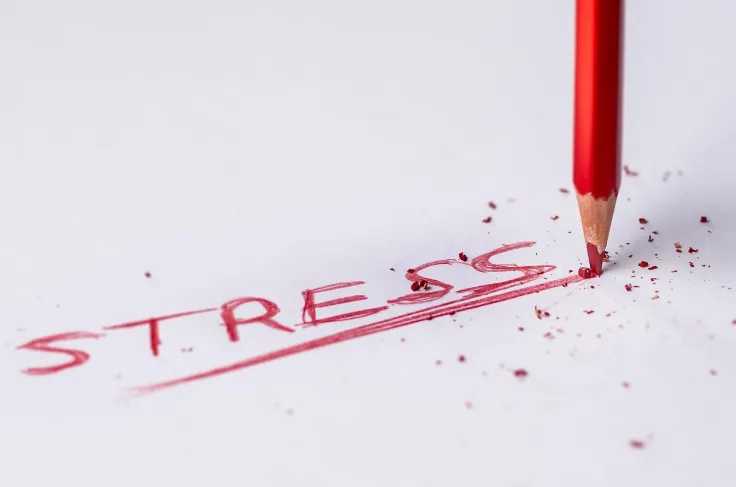
Anxiety is everywhere.
And it’s getting worse.
If you’re feeling more stressed out lately, you’re in good company. The stats are sobering, but they paint a clear picture of what’s happening to our mental health and wellbeing around the world.
The good news?
There are actual proven techniques that work to manage stress and anxiety. And most of them are free.
In this article, you’ll learn:
- What Anxiety Is Actually Looking Like These Days
- Why Stress Management is Actually Worthwhile
- Proven Techniques that Actually Work
- How to Build Your Personal Toolkit
So let’s get started…
What Anxiety Is Actually Looking Like These Days
Look, anxiety disorders are now the most common mental illness across the globe. One in five adults now live with some form of anxiety disorder, according to the National Institute of Mental Health.
In fact, according to the American Psychiatric Association, nearly 43% of adults say they feel more anxious than they did the year before in 2024. That’s up significantly from 37% in 2023 and 32% in 2022.
You can see how this trend is moving in the wrong direction, can’t you?
But what’s actually causing all this anxiety? I mean, you and I both know it’s the world we’re living in, but what specifically?
The research says it’s our current events. From the economy and political uncertainty to safety and security. Those are the biggest things keeping people up at night.
And here’s the kicker…
Despite this uptick in anxiety, a majority of people aren’t getting help from a professional. Working with a qualified psychologist can have a hugely positive impact on a person’s ability to manage stress levels. But according to the 2024 poll, that’s something only about 1 in 4 adults actually do each year. Online therapy for anxiety has helped bridge this gap, giving people an accessible, private, and flexible way to receive support.
Partnering with an organisation like Fortitude Wellbeing is the kind of expert guidance that can truly transform how people manage the everyday pressures they face.
But let’s face it…helping people is what we’re here for, right? So what can you do about it? Let’s look at what actually works.
Why Stress Management is Actually Worthwhile
Think of stress as your car’s check engine light.
A little bit is an indicator something needs attention. But too much stress is when your system starts breaking down. Chronic stress is so much more than an unpleasant feeling. It actually causes physical changes to your body.
Your cortisol levels increase. Your sleep suffers. Your immune system shuts down. And if it goes on long enough, we’re talking real health problems down the track.
But here’s the part that a lot of people miss…
Effective stress management isn’t about eliminating stress from your life. It’s not possible. Stress is an inevitable part of modern life.
No, what stress management is really about is arming yourself with the skills to handle it better when it inevitably shows up.
And we’re not just talking “feel better” here. Research shows that the people who learn and practice stress management techniques experience lower levels of anxiety and are better able to control their emotions.
The benefits include better focus, improved relationships, and even improved physical health.
Pretty simple, right?
The hard part is knowing which techniques work. Because a lot of what people say and do out there in the world, well, they don’t have much science to back them up. And in fact, they might be making your life more stressful.
Proven Techniques that Actually Work
Ok, now let’s get to the good stuff. Let’s talk about the strategies and techniques that research has proven can actually make a difference. Not just feel-good stuff. Science.
Mindfulness and Meditation
First up is mindfulness. Mindfulness has been around a long time, but it’s taken off in popularity in the past 10 to 15 years for good reason.
Research has found that mindfulness and relaxation strategies are among the most effective ways to reduce your body’s cortisol levels. Remember, cortisol is your body’s primary stress hormone.
The concept is simple. You focus on the present moment and observe it without judgment. You don’t dwell on the past or ruminate on the future.
Practising is simple, too:
- Find a quiet space where you won’t be disturbed
- Focus on your breathing
- When your mind wanders (and it will), gently bring it back to the present
- Start with just 5 minutes a day
Consistency is key. Short sessions, if done regularly, can produce results you can actually measure within a matter of weeks.
Deep Breathing Exercises
This one sounds almost too simple to actually be effective. But don’t let the simplicity fool you.
Deep breathing actually activates your body’s relaxation response. Think of it as the exact opposite of the fight-or-flight mode that stress kicks you into.
The 4-7-8 technique works great:
- Breathe in for 4 counts
- Hold for 7 counts
- Exhale for 8 counts
Research shows that people who practice deep breathing exercises regularly are better able to handle stress and experience less anxiety. You can do this at your desk, in the car, or before a difficult conversation.
Physical Exercise
Exercise is one of the single most powerful natural stress relievers available to us.
When you move your body, you’re not just burning calories and fat. You’re actually helping your body lower its cortisol levels. You’re also releasing endorphins, which are your brain’s natural mood elevators.
The best part about this one?
You don’t need to run marathons or do intense workouts. Research has found that just 20 to 30 minutes of cardio exercise is more than enough to significantly lower your stress levels. Walking counts. Dancing in your living room counts, too.
Find movement you actually enjoy so you can stick with it.
Cognitive Behavioural Techniques
Did you know that your thoughts have enormous power over how you feel?
Cognitive behavioural techniques focus on identifying negative thought patterns and reframing them with more balanced ones. This isn’t about “positive thinking.” It’s about “realistic thinking.”
Let me give you an example…
Rather than telling yourself, “I can’t handle this,” you might reframe your thoughts to say, “This is challenging, but I’ve dealt with difficult situations before.”
Why do these techniques work? They work because they address the root cause of much of our anxiety. The stories we tell ourselves about what’s happening.
Building Your Personal Toolkit
One of the biggest mistakes most people make about stress management is this…
They try one technique and don’t see immediate results. They get frustrated and give up.
Real effective stress management comes from having a combination of different approaches and tools in your toolbox. The ones that work like magic for one person might not have any effect on you. The key is finding a personal toolkit of strategies that you can use.
Things to consider include:
- Your lifestyle and schedule
- Your personal preferences
- The severity of your stress and anxiety levels
- Whether or not you also need professional support
For some, meditation and mindfulness are the ticket. For others, physical activity and movement are the only things that work. Many find a combination of these techniques works best.
Pick a couple to start with. Practice them consistently over several weeks. Then add to them as needed.
Bringing It All Together
Managing anxiety and stress is not a one-and-done proposition.
The research is clear. Anxiety levels are increasing across all age groups, all demographics, and all regions of the world. But just as clear is that research showing effective techniques that actually work to make a positive difference in people’s lives.
To quickly recap:
- Anxiety is increasing but it’s not inevitable or untreatable
- Effective stress management is a huge positive for mental and physical health
- Mindfulness, breathing exercises, movement, and cognitive techniques all have strong evidence to support them
- Effective stress management requires a personal toolkit of several different strategies
The most important step is the first one. Just beginning. So pick one of the techniques above and commit to practising it this week.
Your mental health is worth the investment.
