

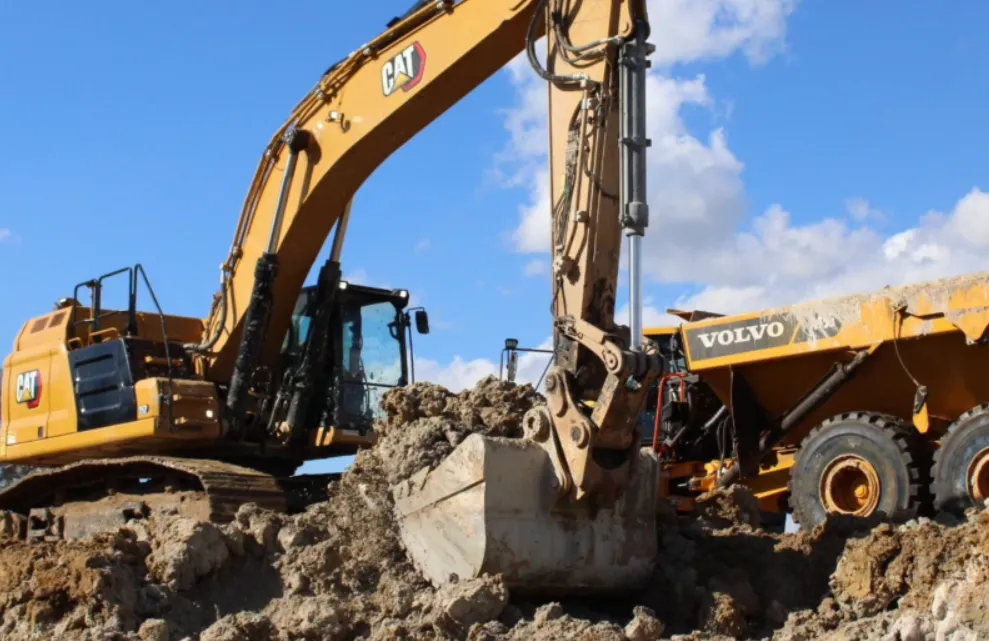
Water drainage issues can cause significant damage to homes, landscapes, and commercial properties, making proper land preparation a crucial first step in preventing long-term problems. Poor drainage can lead to soggy yards, foundation cracks, soil erosion, and standing water that attracts pests and weakens structural stability. Excavation plays a crucial role in shaping the land, allowing water to flow naturally away from vulnerable areas. By correcting slopes, removing obstructions, and preparing the ground for proper drainage systems, excavation services provide a long-lasting solution that addresses issues before they start. A strong strategy for preventing drainage concerns begins with understanding how excavation shapes the land beneath every structure.
How Excavation Supports Drainage
- Foundational Land Shaping
Proper drainage begins with the land’s shape, and excavation services help create the correct slope to direct water in the right direction. A property that is flat or angled toward a structure is more likely to experience water pooling near the foundation, which can lead to moisture seepage, basement leaks, or mold growth. Excavation helps contour the landscape to encourage runoff toward safe exits such as streets, drainage ditches, or designated collection areas. During this process, soil is removed, redistributed, or compacted to achieve a stable grade that supports long-term water flow and drainage. Without this early preparation, even well-built drainage systems can fail because the surface is working against them. With proper land shaping, property owners receive natural protection against the effects of heavy rainfall, melting snow, and seasonal water accumulation.
- Correcting Existing Drainage Failures
Many properties face ongoing drainage issues due to improper construction or changes in the surrounding landscape, necessitating excavation to correct these long-standing problems. When water repeatedly pools in the same area, it gradually erodes the soil, shifts the ground layers, and encourages damage to plant roots. Excavation removes the damaged areas and reshapes them with fresh grading that directs water toward safer outlets. Sometimes this process involves removing compacted soil that prevents absorption, replacing unsuitable fill material, or digging trenches for new drainage components. By integrating these improvements, excavation supports both natural and engineered water pathways. Many property owners reach out to excavating companies when they experience repeated flooding or heavy soil saturation, as these professionals can identify the root cause and reshape the land to facilitate smoother drainage flow. Their work helps create long-term stability by ensuring water has a clear and efficient path away from buildings.
- Creating Space for Reliable Drainage Solutions
Excavation services play a crucial role in preparing the ground for various drainage systems, including French drains, swales, retention basins, and underground piping. These systems rely on precise trenching and proper soil layering, and without excavation, they cannot be positioned at the correct depth or angle to operate effectively. During installation, excavation teams dig channels that allow water to move underground, preventing surface flooding and supporting healthy soil conditions. For French drains, gravel beds, and perforated pipes, careful placement is required in trenches that promote filtration and controlled water redirection. Swales require broad, shallow grading to collect runoff and slow its movement, reducing erosion risks. All these solutions rely on detailed excavation work to ensure long-term performance. By preparing the soil correctly, excavation creates a strong foundation for every drainage component, helping the entire system resist clogs, collapse, or water backup.
- Improving Soil Conditions for Drainage Efficiency
Excavation does more than shape the land; it improves soil structure to support healthy water flow. Some properties contain dense clay soils that trap water, while others include loose, sandy soils that erode quickly under heavy rainfall. Excavation removes unsuitable soil layers and replaces them with a blend that supports natural drainage and stability. This process prevents water from accumulating in soft pockets beneath foundations or landscaping features. Proper soil layering also reduces the chances of ground shifting, which can disrupt walkways, patios, and structural supports. By enhancing soil composition, excavation encourages better absorption during mild rain and smoother runoff during storms. This balanced approach reduces the risk of water stagnation and helps maintain the property’s overall health.
- Preventing Water Damage to Built Areas
Excavation services are crucial for protecting foundations, driveways, and other built structures from water-related damage. If the surrounding soil does not slope away from these areas, water begins to seep into cracks or settle beneath concrete, causing gradual weakening. Over time, this moisture can lead to settlement, uneven surfaces, and structural strain. Excavation adjusts the land so water naturally flows outward, reducing the likelihood of costly repairs. In some cases, excavation is also used to create space for waterproofing layers, foundation drains, or retaining structures that redirect water away from the site. By controlling the way moisture interacts with built environments, excavation adds an important layer of defense, increasing the lifespan of buildings and outdoor features.
Preventing water drainage problems requires proactive planning, and excavation services form the foundation of that protection. From shaping the land to creating the proper slope, excavation ensures that water flows away from foundations and vulnerable areas. It corrects existing drainage failures, improves soil conditions, and prepares the ground for reliable drainage systems. These essential steps help stop water damage before it begins, protecting both the structure and the surrounding landscape from long-term moisture-related issues. By investing in excavation as an early step in property improvement or problem-solving, homeowners and businesses gain a stable, well-designed environment that manages water efficiently and reduces the risk of future concerns.
