

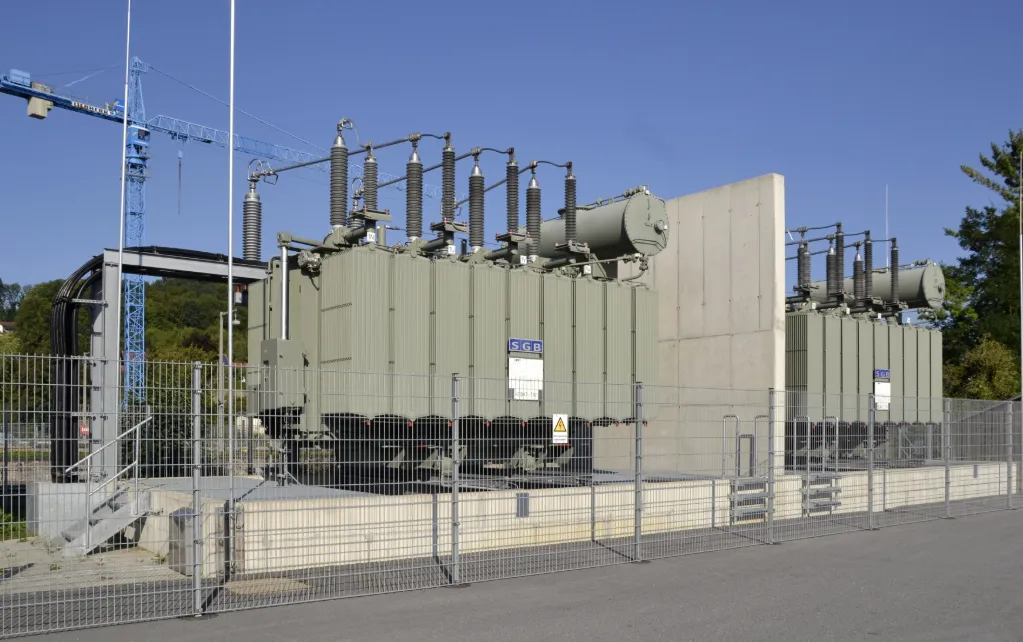
As global energy demand continues to rise and aging electrical grids strain under the pressure of modernization, power infrastructure safety has become a growing concern. Transformer blast walls play an essential role in mitigating catastrophic failures caused by overheating, insulation failure, or unexpected surges. With many grid systems operating beyond their intended lifespan, the likelihood of transformer malfunctions has increased dramatically.
These protective barriers are not only about preventing physical damage—they’re about ensuring continuity, safety, and sustainability in an era where uninterrupted power defines industrial and social stability. We will explore how transformer blast walls have become indispensable to energy resilience, especially when power demand and operational risks are at their highest.
Why Transformer Blast Walls Are Critical in the Era of Increased Demand and Aging Grid Assets
1. Mitigating Catastrophic Chain Reactions in Power Infrastructure
When transformers fail, the consequences can be far-reaching and devastating. A single explosion can trigger a chain reaction that disrupts nearby transformers, destroys critical infrastructure, and endangers personnel. Transformer blast walls are engineered to contain these destructive forces by acting as a physical shield between equipment units. They reduce the risk of fire spreading and confine the impact zone, preventing multiple failures within the same facility.
This containment is especially crucial for substations operating older transformers with deteriorating insulation or weakened oil containment systems. As aging grid assets increase the risk of short circuits and internal arcing, these walls become an essential safeguard. They provide emergency response teams with valuable time to intervene and restore stability before the situation escalates further. The presence of transformer blast walls ultimately ensures that one malfunction does not turn into a regional outage or widespread grid failure.
2. Protecting Human Life and Operational Integrity
The safety of workers and maintenance crews in power facilities is paramount, and transformer blast walls are integral to that protection. In facilities where high-voltage equipment operates continuously, the risk of explosions from transformer oil ignition or internal faults poses a serious threat. Blast walls act as a protective partition, absorbing the shockwaves and debris from potential explosions. This structural barrier prevents injuries and allows personnel to operate or inspect nearby systems with confidence.
Moreover, the operational integrity of power facilities benefits greatly from these installations. In the event of an accident, transformer blast walls help minimize downtime by isolating damaged units, allowing other transformers to remain functional. This isolation maintains partial operations, preventing complete shutdowns that could lead to costly service interruptions. In modern energy facilities where uptime directly correlates to economic stability, this level of protection has become not just recommended but absolutely necessary.
3. Extending the Lifespan of Aging Assets
As power grids age, replacing every outdated transformer becomes both financially and logistically challenging. Many utilities are forced to continue operating with decades-old equipment, increasing the need for secondary safety measures. Transformer blast walls serve as a cost-effective solution to extend the usable life of these assets. By providing an additional layer of defense, they reduce the operational risks associated with aging infrastructure. These walls also mitigate the consequences of equipment failure, helping utilities avoid expensive replacements or structural damage to surrounding components.
Furthermore, by improving safety compliance and insurance eligibility, transformer blast walls enable companies to sustain older assets while gradually transitioning to modern technology. In essence, they offer a critical bridge between the aging past and the modernized future of energy distribution. Through this preventive approach, utilities can focus on long-term grid enhancement rather than constant crisis management.
4. Supporting Energy Resilience and Environmental Responsibility
In an era increasingly defined by sustainability goals and environmental accountability, transformer blast walls have taken on a dual role: protection and prevention. Transformer explosions often release toxic gases, oil, and other contaminants that can severely impact nearby ecosystems. By containing and isolating blast effects, these walls reduce the potential for environmental harm, allowing for controlled management and cleanup.
Additionally, they protect renewable energy systems, such as wind or solar integration points, from collateral damage during transformer failures. As renewable energy becomes more integrated with traditional grids, maintaining consistent performance across diverse energy sources is vital. Transformer blast walls thus contribute to overall energy resilience—ensuring that grid disruptions do not derail progress toward sustainable power. They also help companies meet environmental compliance standards by limiting the spread of pollutants and damage in the aftermath of transformer incidents, reinforcing their commitment to responsible operations.
5. Meeting Modern Safety Standards and Regulatory Compliance
As global and regional energy authorities tighten regulations on grid safety, transformer blast walls have become a core element in meeting compliance requirements. Standards set by organizations such as IEEE, NFPA, and local fire safety bodies emphasize the importance of transformer containment measures. These requirements stem from past incidents that revealed the severe consequences of unprotected infrastructure. Transformer blast walls ensure that companies meet these modern expectations while demonstrating a proactive approach to safety and reliability.
Beyond regulatory compliance, adopting such systems also strengthens stakeholder confidence. Investors, insurance providers, and government agencies are more likely to support and approve operations that prioritize safety and risk mitigation. The installation of these protective barriers signals a forward-thinking commitment to both operational excellence and public safety. As electrical grids evolve to accommodate renewable integration and increased consumption, compliance-driven infrastructure improvements, such as transformer blast walls, will remain indispensable.
In today’s world of expanding energy demand and increasingly fragile infrastructure, transformer blast walls have become an essential component of power system safety. They protect not just equipment, but people, environments, and the continuity of vital energy services. As the global grid faces growing pressure from modernization challenges and the integration of renewable energy sources, the role of these structures extends beyond protection—it embodies resilience, responsibility, and foresight. Investing in transformer blast walls is an investment in the future stability of our power systems, ensuring that progress in energy generation is matched with equal progress in safety and reliability.
