

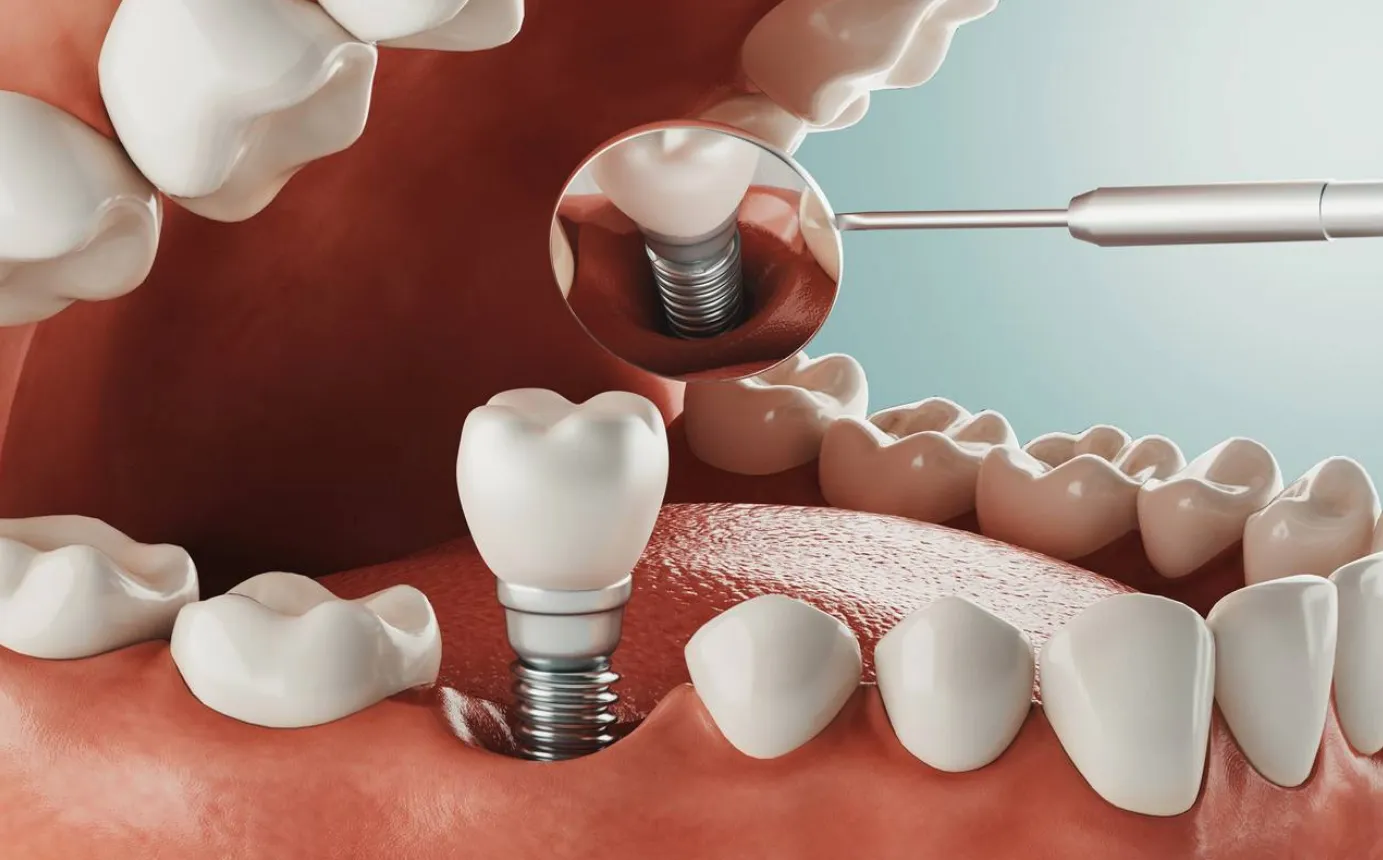
When people hear the phrase “dental implants,” many still imagine little more than artificial teeth screwed into the jaw to fill unsightly gaps. This outdated view overlooks just how transformative modern implants have become. Far beyond being “just fake teeth,” today’s implants restore full function, prevent bone loss, and enhance overall quality of life. With advancements in surgical techniques, biomaterials, and digital dentistry, implants are at the forefront of oral healthcare innovation.
Why Implants Are More Than Cosmetic
Dentures and bridges have long been options for replacing missing teeth, but they often fall short when it comes to comfort, stability, and long-term health. Implants are unique because they replicate the function of natural tooth roots by fusing with the jawbone in a process called osseointegration. This provides the stability needed for chewing and speaking without the slipping or discomfort associated with removable dentures.
Perhaps even more importantly, implants preserve bone density. When natural teeth are lost, the jawbone begins to deteriorate over time. This resorption can alter facial structure, cause additional tooth loss, and complicate future treatments. Dental implants counter this process by stimulating the bone, much like natural tooth roots, keeping the jaw strong and healthy.
Advanced Solutions for Full-Arch Replacement
While single-tooth implants remain popular, one of the most significant breakthroughs has been in full-arch rehabilitation. Systems such as All-on-4® and its enhanced variation, All on 4 Plus®, have transformed how dentists approach severe tooth loss. These solutions allow a full set of upper or lower teeth to be supported by only four to six strategically placed implants.
The benefits are substantial. Bone grafting is often unnecessary, treatment time is reduced, and the procedure is minimally invasive compared to older methods. In fact, patients who choose All on 4 Plus often experience faster recovery than those undergoing traditional implant approaches, making it a practical and appealing solution for many individuals seeking rapid results with long-lasting outcomes.
Digital Dentistry and Surgical Precision
The integration of digital technology has revolutionized implant dentistry. Three-dimensional imaging, CAD/CAM (computer-aided design and manufacturing), and guided surgical systems have dramatically improved accuracy and predictability. Dentists can now create highly detailed treatment plans, ensuring each implant is placed at the optimal angle and depth.
This level of precision reduces complications, enhances long-term success rates, and shortens recovery times. Digital impressions have also replaced traditional molds, offering patients a more comfortable experience while producing prosthetics that fit seamlessly in both appearance and function. The result is a smile that looks and feels natural, often completed in fewer appointments than ever before.
Patient-Centered Care in Modern Implantology
The shift in implant dentistry isn’t only technological—it’s also philosophical. Patient comfort and convenience are now central to treatment. Minimally invasive techniques reduce trauma, and sedation options help those with dental anxiety undergo procedures with less stress.
Another innovation is immediate loading, which allows a temporary set of functional teeth to be attached to implants on the same day as surgery. This means patients don’t leave with gaps or removable dentures but with a usable, confident smile right away. For many, this is a life-changing improvement that blends both aesthetics and practicality.
Materials That Last a Lifetime
Modern implant systems use biocompatible materials, primarily titanium or zirconia, which integrate safely with the body. Advances in surface treatments help implants bond faster with bone, reducing healing time and improving stability. Prosthetic crowns and bridges are crafted from durable ceramics designed to resist wear while mimicking the translucency of natural enamel.
This attention to materials ensures not just functionality but also longevity. With proper care, implants can last decades, making them one of the most reliable long-term dental solutions available.
The Broader Future of Implant Dentistry
Dental implants don’t exist in isolation—they are part of a larger transformation in how dentistry is practiced. From regenerative approaches that encourage natural bone growth to AI-assisted diagnostics that enhance treatment planning, the field is evolving rapidly. Clinics that embrace these advancements are not only delivering superior outcomes but also reshaping patient expectations of what dental care should be.
Importantly, the role of technology in shaping this future cannot be overstated. The integration of dental software innovations shaping patient care is paving the way for more personalized treatments, streamlined workflows, and improved communication between practitioners and patients. Together, these advancements ensure that dental implants remain not just replacements for missing teeth but a cornerstone of modern oral healthcare.
