

Branding has undergone significant changes over the last decade. Most of our interactions with brands now happen online — in social media feeds, email newsletters, and targeted ads that flicker across our screens before disappearing into the digital noise. These campaigns can be effective at the moment, but they are fleeting in their impact. What’s surprising is that in this hyper-digital world, one of the strongest branding tools is something physical, simple, and enduring: custom merchandise.
Rather than fading into the background, merchandise has adapted to the digital age. It has evolved from a side project into a core part of how brands connect with people, offering something that technology alone can’t deliver — tangibility.
A Tangible Anchor in a Digital World
Digital branding is everywhere, but it is also easy to forget. A social media ad might catch your eye, but a week later, you’ve probably scrolled past a thousand others. Well-designed hoodies, notebooks, or custom drawstring bags work differently. It sticks around. It resides in your wardrobe, on your desk, or is an integral part of your daily routine. Custom merchandise resonates because it offers:
- Longevity: A t-shirt or bag can last for years, far outliving a digital campaign.
- Physical presence: People can touch, wear, and interact with merchandise, unlike digital ads.
- Trust and credibility: Tangible items feel real, and that sense of substance helps build stronger loyalty.
Blending Digital and Physical Aspects
Technology is changing how each merchandise is designed, distributed, and experienced.
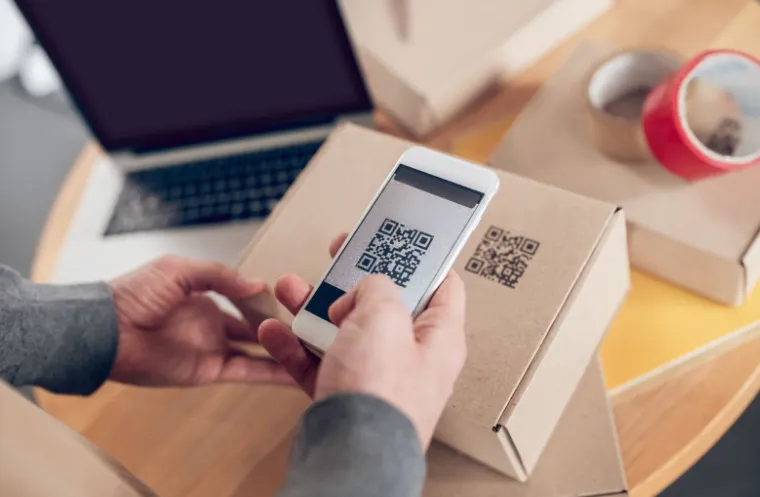
- Smart merchandise is on the rise. QR codes, NFC chips, and augmented reality features are being built into clothing and accessories, turning a simple product into a gateway to exclusive content or experiences.
- Customisation on demand has become easier. Fans can now order merchandise online that reflects their preferences, from colours to slogans, making each piece feel personal.
- Limited releases and drops, inspired by streetwear culture, use social media to create hype. Scarcity fuels excitement, and owning the item becomes a significant part of its appeal.
By combining the physical with the digital, merchandise becomes more than branding. It becomes interactive, and that interaction keeps people engaged far longer than an online ad ever could.
Shaped by Consumers
In the past, merchandise was created and pushed out to audiences with little input. Today, consumers expect to have a say in the matter. Digital platforms have made it possible for audiences to shape merchandise before it even exists.
- Musicians now ask fans to vote on t-shirt designs.
- Brands launch crowdfunding campaigns that produce only the most popular items.
- Personalisation, such as adding names or choosing colours, allows customers to feel like the product was made for them.
This co-creation builds deeper loyalty. When people have a hand in shaping the merchandise, they are more likely to be invested in wearing or using it.
Social Media as a Stage
The life of merchandise doesn’t end with its purchase. People show it off. A hoodie or hat isn’t just something you wear — it appears in selfies, Instagram stories, and TikTok videos. This creates an extra layer of value for brands, because merchandise doubles as shareable content.
- Every photo of someone wearing branded gear is free visibility.
- Merchandise becomes part of online identity, a signal of what people support.
- Limited-edition items can create viral buzz when people rush to prove they own them.
In this way, merchandise bridges two worlds: it lives in real life, but it also spreads organically through digital platforms.
A Smarter Business Strategy
For brands, merchandise offers something digital campaigns cannot: permanence. A marketing ad might last for a week; a well-made hoodie could stay in circulation for years. Merchandise extends the life of branding and creates a physical reminder of loyalty.
This makes it more than a side project. For many companies, merchandise has become a central part of their strategy. It drives revenue, reinforces brand identity, and strengthens connections between brands and their supporters.
Conclusion
Custom merchandise is thriving in the digital age because it offers what screens cannot: a physical, lasting connection. It transforms fleeting impressions into objects that people live with every day. It also creates new opportunities for interaction, storytelling, and community building, both online and offline.
In a world saturated with pixels, merchandise stands out because it is chosen, used, and cherished. That makes it one of the most powerful tools for branding today — and in the future.
