

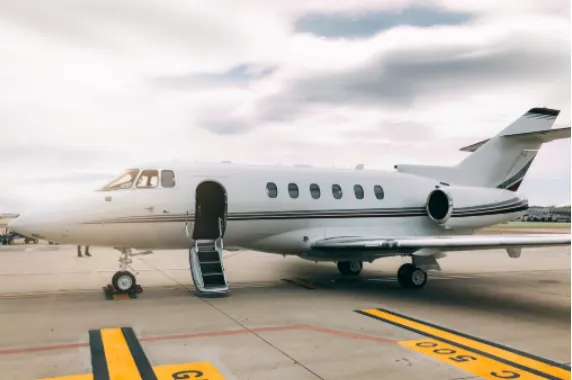
Owning a plane is a dream. But it also comes with some responsibilities. Every flight starts long before you leave the ground. Every year brings new requirements, such as insurance renewals and maintenance needs. Over time, some of your plane parts wear and break. You have to fix them. Here is a guide to operating, insuring, and maintaining an aircraft.
Operating Your Plane
- Pre-Flight and Operational Procedures
A good pre-flight inspection is not optional. It is survival. You must walk around the plane to look at everything. Check for leaks, loose parts, and damage. Even a small part can ground you, causing a serious problem. For example, a poor quality Cessna 172 battery might not start, or it might fail in flight. Batteries age, and you must replace them on schedule. Moreover, purchase them from trusted suppliers like Pilot John International.
- Legal and Regulatory Compliance
If your aircraft’s annual inspection is due, do it now. It is not optional and is required by the law. If you find any issues, address them as soon as possible. Moreover, log every flight. Write down hours and anything unusual. Keep in mind that good records protect you. They also help when you sell.
- Pilot Proficiency and Safety
Your license is just the start. Real learning never stops. You should fly often. Also, focus on training. You never know what you will need. Set personal goals and fly in different conditions.
Insuring Your Plane
- Core Coverage Components
Insurance protects you. It pays for damage to your plane in case of crash, fire, theft, or storm. Moreover, liability covers damage you cause to others, their property, and their bodies. And the medical payments cover injuries to you and your passengers.
- Coverage Types and Options
Not all policies are the same. So you must read the fine print of your insurance carefully. Check what is covered. This is essential to avoid any surprises later. Moreover, choose the coverage type that best matches your specific needs.
Maintaining Your Plane
- Scheduled Maintenance
The manufacturer sets schedules for maintenance, and you must follow them. Change the oil after every 50 hours or six months. Additionally, annual inspections are required after every 12 calendar months, even if you flew zero hours. Moreover, you must replace the ELT battery on schedule.
- Engine and System Care
The engine is the main component of your aircraft. You must keep it well-maintained. Warm it up before takeoff and cool down after landing. Let temperatures stabilize. Moreover, the fuel system needs care. You must check for water and use fresh fuel.
Conclusion
Owning a plane is a privilege, but it comes with responsibility. You must operate it correctly. Prepare it before every flight, follow the rules, and stay proficient. Also, look for the right insurance to cover the risks. Moreover, do not forget the engine. Inspect and look for potential problems. If you find any issues, fix them as soon as possible. Keep your aircraft well-maintained, and it will serve you well. You can enjoy safe and reliable flights for years to come.
