

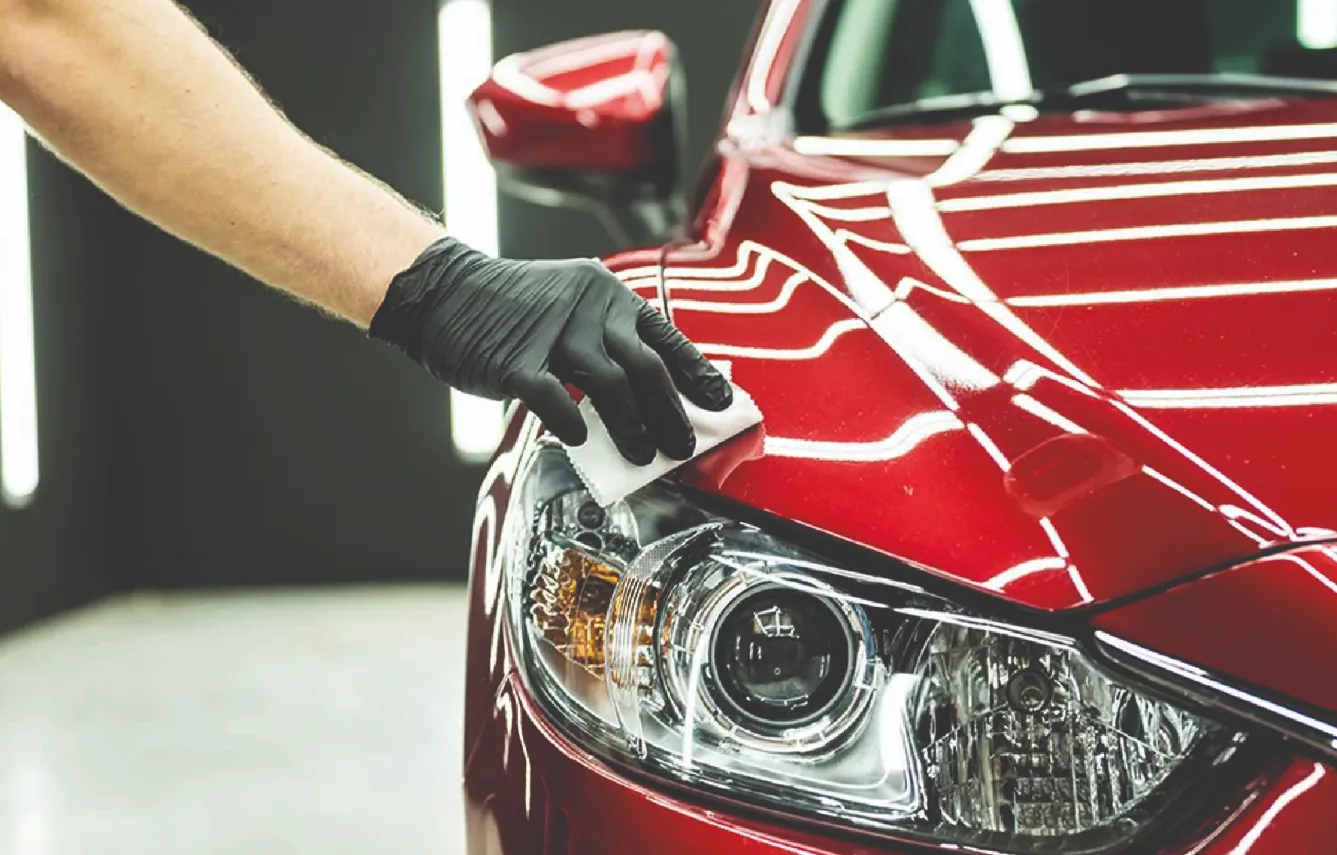
Keeping a car in pristine condition requires more than occasional washes and interior vacuuming. A professionally detailed vehicle not only looks appealing but also maintains its value and protects its surfaces from damage over time. Many car owners often wonder about the ideal frequency for professional detailing. The answer varies depending on usage, environmental conditions, and personal expectations for vehicle upkeep. Regular detailing goes beyond cleaning; it involves careful attention to surfaces, removal of contaminants, and restoration of finishes. We will explore how often a vehicle should undergo professional detailing to maintain both its aesthetic appeal and functional longevity. Understanding these factors helps drivers make informed decisions about when to schedule their detailing sessions.
Factors Determining Car Detailing Frequency
- Driving Environment and Conditions
Vehicles frequently exposed to harsh environments, such as coastal areas with salt air, urban locations with heavy pollution, or regions with frequent rain and snow, require more frequent detailing. Salt, dirt, and environmental debris can accumulate on the exterior paint and undercarriage, leading to corrosion and long-term damage. For cars driven daily in city traffic, grime and dust settle into crevices, making surface cleaning alone insufficient. Miami car detailing services offer professional care to help prevent buildup and maintain a protective layer on paint surfaces, making a session every three to four months ideal for such conditions. In contrast, vehicles primarily used in suburban areas with clean roads may only need detailing twice a year. Evaluating driving conditions helps determine how often a vehicle truly needs this attention.
- Interior Usage and Wear
The interior of a car wears at a rate that depends on the number of passengers, pets, and activities performed inside the vehicle. Vehicles carrying children, pets, or heavy loads of groceries tend to accumulate dirt, crumbs, and odors faster. Regular vacuuming alone may not remove stubborn stains or embedded particles in carpets and upholstery. Professional interior detailing ensures thorough cleaning of carpets, seats, vents, and the dashboard, helping prevent permanent damage and maintain a hygienic environment. For cars used frequently inside, scheduling professional detailing every two to three months can help preserve cleanliness and material integrity. For light-use vehicles, once or twice a year may suffice.
- Seasonal Considerations
Seasons greatly influence the detailing frequency. Winter conditions often involve salt and chemicals on roads, which can corrode metal and degrade paint if not removed promptly. Spring and fall bring pollen, rain, and dust that can adhere to the vehicle surface and leave stains. Summer heat intensifies the impact of UV rays on exterior paint and interior surfaces, potentially causing fading and cracking. To counteract these seasonal effects, many car owners opt for professional detailing at the start of winter and at the end of the season, followed by an additional session in spring or summer. Seasonal scheduling ensures the car remains protected throughout the year.
- Vehicle Age and Condition
Newer vehicles typically benefit from regular detailing to preserve their original finish and prevent early wear. A fresh paint job or factory finish requires maintenance to avoid oxidation and minor scratches. Older vehicles may require more frequent detailing if signs of wear, fading, or accumulated grime are present. Professional detailing for older cars often involves paint correction, removal of contaminants, and application of protective coatings to restore shine. A vehicle’s age and current condition influence the recommended interval between detailing sessions, making a personalized assessment important.
- Owner Preference and Lifestyle
Some car owners prioritize appearance and comfort, valuing the satisfaction of a clean and polished vehicle. For those who frequently drive for business, attend events, or participate in car shows, maintaining a showroom-quality appearance may require detailing every month or two. Conversely, owners who primarily use their cars for commuting, with little emphasis on aesthetics, may find quarterly or semiannual detailing sufficient. Lifestyle choices, the importance placed on visual appeal, and the desire to maintain resale value all impact the recommended detailing schedule.
- Protection and Preventive Care
Professional detailing does more than clean; it adds a layer of protection. Waxes, sealants, and ceramic coatings applied during detailing sessions help prevent environmental damage and extend the lifespan of the vehicle’s surfaces. Consistent detailing helps keep paintwork protected from UV rays, dirt, and moisture, reducing the risk of scratches and fading. Regularly scheduled detailing can also prevent minor issues from escalating into costly repairs. Cars that receive protective treatments may not need full detailing as frequently, but should still undergo maintenance checks to preserve the protective layers.
- Signs Your Car Needs Detailing
Even without a strict schedule, vehicles show signs that indicate the need for professional attention. Common signs include noticeable dust and dirt accumulation, persistent odors, water spots on windows, faded or dull paint, and upholstery stains. Monitoring these indicators helps prevent long-term damage and ensures the car remains clean and functional. Rather than adhering to a rigid calendar, many drivers schedule detailing based on observable cues, adjusting the frequency according to the vehicle’s actual condition and usage.
Determining how often a car should undergo professional detailing involves considering environmental exposure, interior use, seasonal changes, vehicle age, personal preferences, and preventive care needs. While some vehicles may benefit from monthly attention, others may maintain their condition with semi-annual detailing. Observing signs of wear and contamination also helps guide scheduling decisions. Regular detailing protects a vehicle’s appearance, enhances comfort, and preserves long-term value. By assessing driving conditions, lifestyle, and the vehicle’s current state, car owners can establish a routine that keeps their car clean, protected, and visually appealing throughout the year.
