

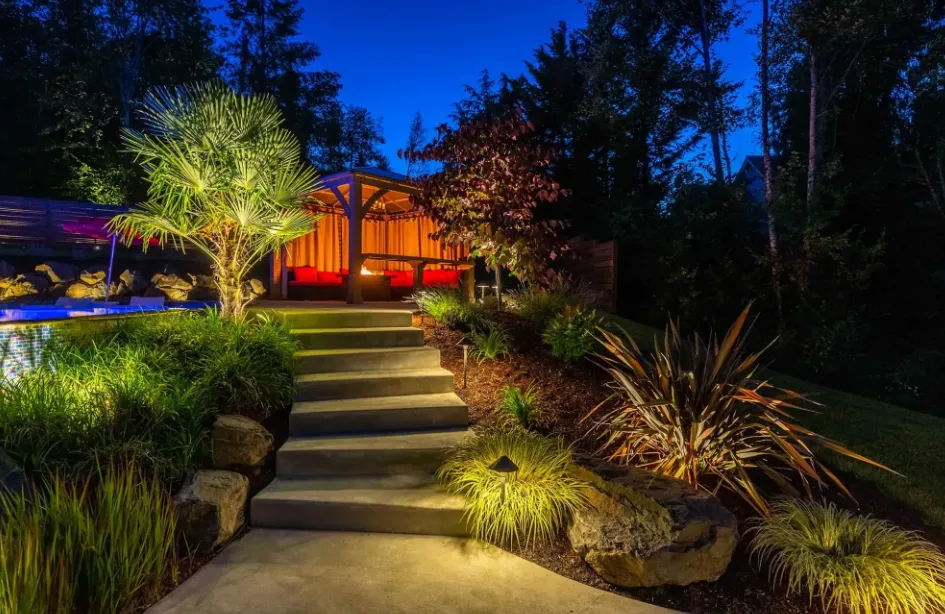
Exterior lighting holiday light installation does more than brighten a yard. It highlights the beauty of a landscape, improves safety, and helps create a welcoming atmosphere around a home. However, the installation of lighting depends heavily on the landscaping layout. Features such as shrubs, trees, pathways, and garden beds play an important role in determining where lights can be placed and how they should be designed.
The relationship between landscaping and lighting helps homeowners achieve a balanced and functional outdoor space.
The Role of Trees in Lighting Placement
Trees are often the most noticeable feature in a landscape, so they naturally influence lighting design. Large trees can be used as focal points, with lights placed at the base to shine upward and highlight the trunk and branches. This technique creates a dramatic visual effect at night.
Tree spacing is also important when planning lighting. If trees are planted too close together, light may not spread evenly and can create dark shadows. On the other hand, well-spaced trees allow lighting to spread naturally and illuminate a larger portion of the yard.
In many cases, lights are installed directly in trees for decorative purposes. Because tall trees can be difficult and risky to access, many homeowners hire Christmas lights installation professionals to safely install lights in high branches while protecting the tree structure.
Shrubs and Bush Density
Shrubs and bushes add depth and texture to landscaping, but their density affects how light travels. Thick bushes can block or absorb light, which may reduce the effectiveness of nearby fixtures.
To solve this issue, lighting designers often place small ground lights slightly in front of shrubs. This technique highlights the plants while allowing the light to spread across nearby areas.
Bush density also affects maintenance. If fixtures are hidden inside thick shrubs, they may become difficult to reach for cleaning or bulb replacement. Placing lights where they remain accessible helps keep the lighting system working properly.
Pathways and Walkway Lighting
Pathways are one of the most important elements of exterior lighting. Walkway lights guide visitors safely through the yard while also improving the overall appearance of the landscape.
The layout of the path determines where lights should be placed. Curved pathways usually require lights on alternating sides to provide balanced illumination. Straight paths often use evenly spaced fixtures along the edges.
Landscaping features near pathways, such as flower beds or decorative stones, also influence lighting placement. Designers must position lights so they highlight these elements without blocking walking space.
Garden Beds and Decorative Areas
Garden beds often contain flowers, decorative plants, or small trees that deserve attention after sunset. Lighting can be placed around these areas to highlight colour and texture at night.
However, care must be taken when installing lights in garden beds. Fixtures should not disturb plant roots or damage the soil structure. Low-voltage lighting systems are commonly used because they are safer for gardens and easier to install.
Lighting angles also matter. Soft lighting placed near the ground can create gentle highlights without overwhelming delicate plants.
Hardscape Features and Cable Routing
Hardscape elements such as patios, retaining walls, decks, and stone walkways influence both lighting placement and cable routing. These features can provide stable locations for mounting lights, but they may also limit where cables can run underground.
When designing lighting around hardscape areas, installers often plan cable routes carefully to avoid drilling through stone or concrete unnecessarily. In many cases, cables are routed around edges or hidden beneath nearby soil or mulch to keep them protected.
Proper planning ensures that cables remain hidden while still allowing easy access for future repairs or upgrades.
Protecting Plants and Irrigation Systems
One of the most important goals when installing exterior lighting is protecting the health of plants and landscaping systems. Lights should never be placed in a way that blocks irrigation lines or sprinkler heads.
Heat from certain bulbs can also affect nearby plants if fixtures are placed too close. Using LED lights helps reduce this risk because they produce very little heat while still providing strong illumination.
Installers often coordinate lighting placement with irrigation layouts to prevent damage to underground pipes. This approach keeps both systems functioning efficiently.
Creating Balance Between Lighting and Landscaping
Successful outdoor lighting always works with the landscape rather than against it. Trees, shrubs, pathways, and hardscape features guide where lights should be placed and how they should function.
When lighting is carefully planned around landscaping elements, it enhances the beauty of the yard while maintaining plant health and safe walkways. The result is a well-lit outdoor space that feels inviting, balanced, and visually appealing both day and night.
