

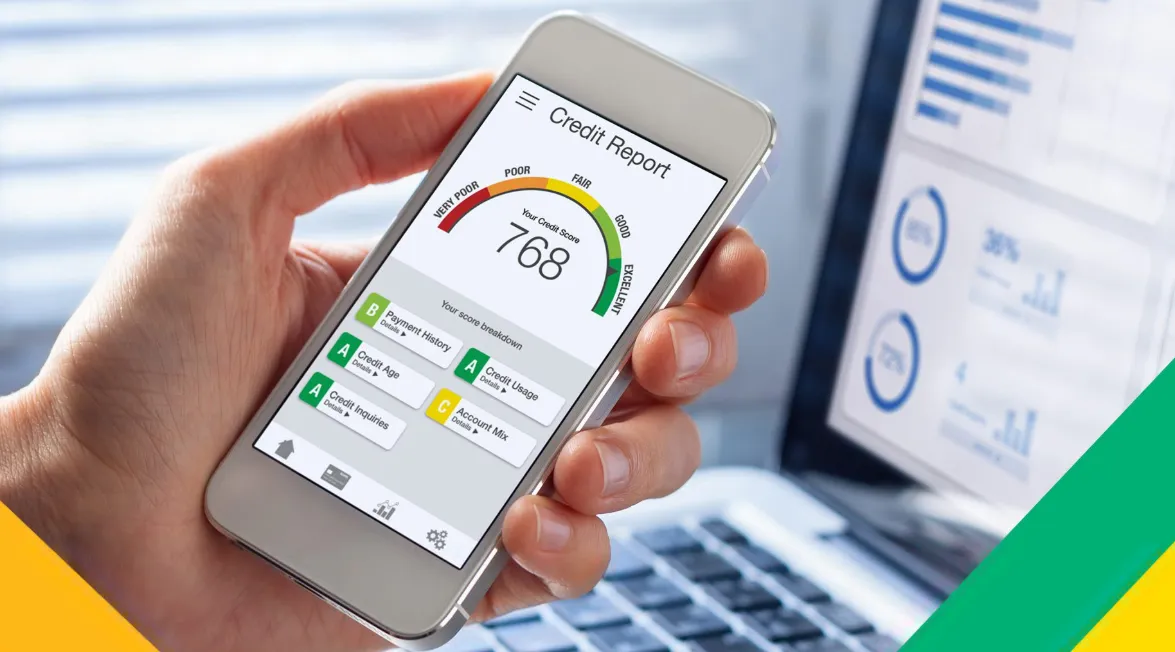
A credit card is not always needed to build or repair credit. Taking an auto loan, if controlled correctly, can be turned into a strategic way of proving oneself to be financially responsible. Car finance has the potential to positively impact your credit report as long as payments are made on time and regularly, and you have a definite plan. Prior to signing any contract, one should compare car loans to ensure getting good terms. The interest rates, repayment period, and the amount to be deposited differ widely. These factors may assist you in choosing a loan that fits your financial status and establishes the basis for rebuilding your credit profile.
Understanding the Link Between Car Loans and Credit Health
When obtaining vehicle finance, the lenders report activity to large credit bureaus. Reliability and consistency are two important scoring model metrics, which are demonstrated by making on-time monthly repayments. With time, a well-serviced loan instils confidence among potential lenders.
Start Small, Think Long-Term
A relatively low-priced car will minimise the amount of the loan and simplify the process of repaying it. The lesser commitment can have a shorter term, which implies that your credit will have positive activity in a concentrated period. Short-term loans also usually carry a lower interest rate.
Avoid Missed Payments at All Costs
Even a single missed payment can negatively affect your credit status. Setting up direct debits or reminders ensures each instalment is processed promptly. Staying ahead of schedule, if possible, adds a positive flag to your report and demonstrates strong fiscal discipline.
Track Your Progress Through Credit Monitoring Tools
Keeping an eye on your score allows you to see the real-time impact of your responsible actions. Many free tools provide monthly updates and highlight factors influencing your score. By reviewing these reports, you can detect errors early or notice when to renegotiate terms.
Diversify Your Credit Profile Gradually
Credit scoring systems favour varied types of credit—instalment loans, revolving credit, and retail accounts. A car loan introduces a new dimension to your credit mix, which can contribute positively when balanced against other obligations. However, avoid taking on too much debt simultaneously.
Keep Loan Terms Within Your Means
Stretching your budget to finance a more expensive car may seem tempting, but it could lead to difficulty meeting payments. Instead, choose a repayment structure that allows flexibility in your monthly finances. Stability in repayment history plays a larger role in boosting scores than the loan amount itself.
Consider Refinancing Only When It Makes Sense
Refinancing can be useful in case your credit has improved greatly during the duration of your loan, as it can reduce your interest rate or your monthly payments. Nevertheless, consider early repayment charges or other charges against savings each time you decide to make changes. Not all refinance situations are a good deal.
Communicate With Your Lender If Challenges Arise
Sudden occurrences like changes in jobs, illness expenses or family crises may interfere with repayment schedules. In case of difficulties, call your lender instead of missing one of the due dates. Others will temporarily relieve or put some special conditions on the account to keep it from default and limit any resulting credit damage.
Steady Payments Build Lasting Credit Gains
To get a car loan to boost your credit, you have to be patient, consistent and plan. By choosing the appropriate loan terms, paying instalments on time and checking your credit file, you may turn a simple financial agreement into a credit-building tool. Good borrowing now preconditions the possibility of obtaining more favourable conditions and wider opportunities concerning finances in the future.
