

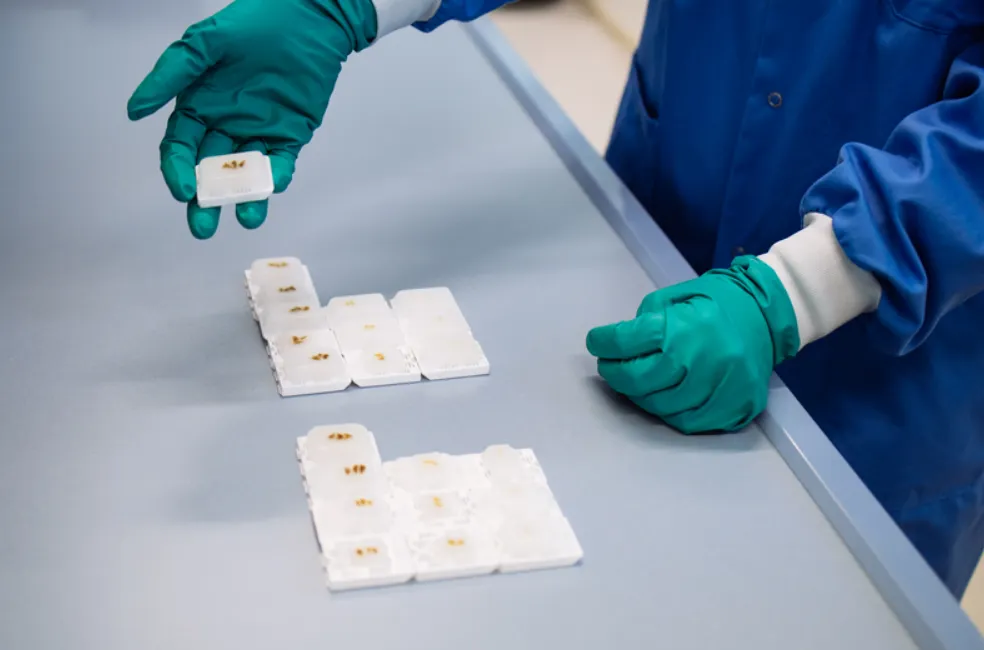
Formalin-Fixed Paraffin-Embedded blocks have transformed medical research and diagnostics. Their ability to preserve tissues for long periods allows researchers and clinicians to study disease mechanisms with accuracy. FFPE samples are used in pathology labs across the world, providing a reliable source of biological material for tests and retrospective studies. They play a vital part in disease diagnosis, biomarker identification, and personalized medicine.
A Foundation for Tissue Preservation
An ffpe block secures tissue samples in a stable form that lasts for decades. After collection, tissues go through formalin fixation to prevent decay and are then embedded in paraffin wax. This process preserves cell structure and allows researchers to view tissues as they were at the time of collection.
It also prevents enzyme activity that could degrade the sample. Due to this durability, archived blocks provide valuable material for future studies. Researchers can revisit old samples with modern diagnostic tools and gain fresh insights into disease patterns.
Importance of FFPE in Disease Diagnosis
Pathologists rely on FFPE tissue sections to detect cancer, inflammatory disorders, and genetic abnormalities. The preserved tissue allows clear microscopic examination and reveals cellular changes that define specific diseases. Blocks also serve as a reference for confirming rare diagnoses or validating clinical results.
Diagnostic accuracy improves when these preserved tissues are used, as their structure remains intact over time. The consistent preservation process ensures that each block maintains comparable quality, which strengthens diagnostic confidence. FFPE remains one of the most trusted resources in pathology labs worldwide.
Molecular Tests and Biomarker Discovery
These blocks play an essential role in molecular research and genetic tests. With progress in molecular biology, researchers can now extract DNA, RNA, and proteins from these preserved samples. These molecular elements reveal key information about gene expression and mutation profiles.
FFPE samples make it possible to compare historical and current patient data for precision medicine research. They also help identify biomarkers that indicate disease presence or predict treatment response. This link between preserved tissue and molecular data drives continuous advancement in diagnostic science.
Value of FFPE Archives for Retrospective Studies
Hospitals and research institutions maintain vast archives of these blocks. These collections act as time capsules of medical history and preserve tissue samples from countless patients. Scientists use archived blocks to study disease progression and treatment outcomes.
Since the samples retain molecular and structural details, they allow accurate comparison between past diagnoses and present-day results. Access to such material reduces the need for new sample collection and supports ethical research standards. Through these archives, medical science gains deeper insight into long-term disease patterns and therapy results.
In Personalized and Predictive Medicine
Modern medicine aims to tailor treatments for individual patients, and blocks support this goal. They allow clinicians to analyze molecular markers that predict how a patient may respond to a specific therapy. Researchers can test archived tissues to validate predictive biomarkers for targeted treatments.
This leads to the creation of therapies that match a patient’s genetic and molecular features. FFPE samples connect pathology with precision care, bringing laboratory findings closer to clinical use. Healthcare moves toward more accurate and patient-specific treatment methods through this integration.
The ffpe block has become a cornerstone of medical diagnostics and research. Their preservation quality and compatibility for molecular tests ensure reliable outcomes across studies. These blocks provide a lasting record of tissue samples that guide discoveries in medicine.
