

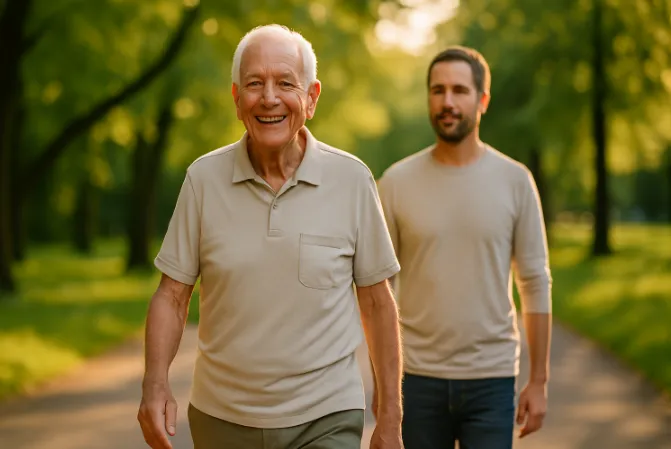
Last spring, my energetic 78-year-old father took his customary evening walk but didn’t return on time. After two tense hours, we found him chatting happily with neighbors three streets away. We were lucky; many families aren’t.
The Alzheimer’s Association estimates six in ten people with dementia will wander, and the CDC reports one in four Americans over 65 experiences a fall each year. For caregivers, those statistics turn everyday errands into sources of anxiety.
The good news is that affordable, easy-to-use GPS trackers can deliver both independence for seniors and peace of mind for families. This guide explains how the technology works, what features matter most, and which devices are worth a closer look.
How the Technology Works
At its core, a GPS tracker is a simple yet powerful device. It uses signals from satellites to calculate its precise location and then transmits that data to a smartphone app. This is typically done through a cellular, Wi-Fi, or Bluetooth connection.
Modern devices combine a GPS module, a connectivity chip, and a cloud platform with an app to store location history and trigger alerts. Despite the advanced technology, many believe the devices are too complicated, but most can be paired with a smartphone in minutes.
Privacy is another concern, yet caregivers maintain full control over sharing settings, and all data is encrypted. Finally, the myth of endless fees is being debunked as several options now offer low or no mandatory monthly charges.
Key Safety Features to Look For
When evaluating a GPS device, certain features are non-negotiable for senior safety. Real-time tracking and location history are fundamental, allowing you to see a live map and review past routes. Geofencing, or the creation of “safe zones,” is another critical tool.
This feature lets you create virtual perimeters around a home or neighborhood and receive instant alerts if the device exits that designated area. These critical features are often bundled into a single, user-friendly device such as Tranquil’s modern GPS tracker for the elderly.
Advanced features like fall detection with an automatic SOS can be lifesaving. Two-way voice communication allows you to speak directly through the wearable, which is faster than finding a phone in a crisis. Also, consider long battery life and water resistance to protect against daily mishaps.
How GPS Trackers Directly Enhance Senior Safety
The benefits of these devices are tangible and profound. For individuals with dementia, they are a powerful tool for the prevention of wandering.
The impact on emergency response is equally significant. Studies show that fall victims who receive help within one hour are far more likely to return to independent living. Automatic fall detection slashes discovery time from potential hours to mere minutes.
Beyond emergencies, these trackers support independent living by delaying the need for nursing-home placement. This not only reduces costs but keeps loved ones in familiar surroundings. Caregivers also report less daily anxiety, while seniors feel more trusted.
Selecting the Right Device
To find the perfect fit, start by mapping your loved one’s daily routine and noting how much time they spend alone. Next, choose a form factor that matches their personal preference, such as a watch or pendant, as comfort is key to consistent use.
Before purchasing, verify the strength of the device’s cellular network in the senior’s neighborhood. Then, balance the upfront cost against any monthly fees. Finally, use any trial period to test the device together to ensure it works seamlessly for both of you.
Integrating GPS Trackers With Health-Monitoring Systems
The evolution of senior safety technology is moving toward integrated health ecosystems. Many GPS platforms can now sync with other medical devices like blood-pressure cuffs. This provides caregivers with a holistic view of a loved one’s well-being.
For example, a reduced daily step count combined with an elevated heart rate might signal a developing health issue. Looking ahead, emerging AI tools will analyze gait patterns to predict the likelihood of a fall, shifting care from reactive to proactive.
Overcoming Common Concerns & Misconceptions
Introducing a tracker can sometimes meet with resistance. If a parent is reluctant, opt for discreet form factors like watch styles and frame the device as a helpful gadget. Privacy worries are also common, but modern trackers allow for fully customizable sharing settings.
Only trusted contacts receive location data, which is stored on secure servers. When it comes to cost, consider the lifetime value. The expense of a tracker can be offset by preventing a single fall-related emergency room visit, making it a wise investment.
Reliability For Senior
GPS trackers for seniors are a powerful technology that transforms caregiver fear into confidence. They help preserve the freedom and dignity that our loved ones cherish. Features like real-time location and fall alerts make today’s devices more reliable and accessible than ever.
By exploring the options and finding the right fit for your family, you can give your loved one the invaluable gift of safe, independent living.
