

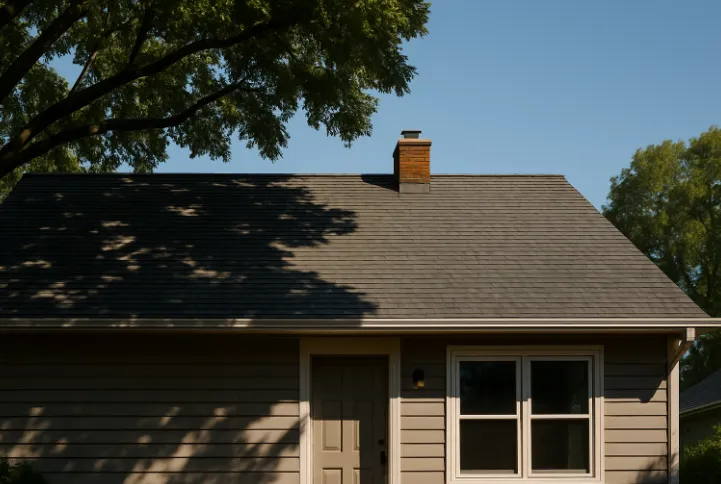
If it feels like you’re seeing more rooftop solar arrays than ever, you’re not imagining things. Thanks to a significant price drop over the last decade and millions of U.S. installations to date, residential solar has arrived in the mainstream.
Homeowners across the country are discovering that the technology delivers far more than a feel-good environmental boost. It can slash utility bills, increase resilience during grid outages, and even raise property values. This guide aims to demystify solar so you can make a confident decision for your household.
The Key Benefits of Residential Solar
Solar technology has matured from a niche investment into a mainstream home upgrade that delivers measurable financial returns, enhanced energy security, and increased property value. Dramatic cost reductions, improved financing structures, and proven performance data have transformed the value proposition for homeowners across virtually every climate zone.
Understanding these five core benefits will help you evaluate whether solar panels for residential homes from Sunrun make strategic sense for your specific property and energy needs.
Affordability Has Soared
A decade ago, going solar often required a five-figure cash payment. Today, the national median installed cost of a residential system has fallen dramatically. When you layer in the 30 percent federal Investment Tax Credit (ITC) and many state rebates, the effective price drops even further. Modern financing options allow savings-positive cash flow from day one for many households.
Immediate & Long-Term Savings
Market data shows average first-year bill reductions of 60-90 percent, with payback periods often clustering between six and eight years. Over a 25-year warrantied panel life, savings commonly exceed $20,000, sometimes much more in high-rate utility territories.
Backup Power & Resiliency
Rooftop systems paired with batteries have proven their worth during major weather events and public safety power shutoffs. A single battery can power critical loads like refrigeration and lighting for 24 hours or more, then recharge during the next sunny stretch. Declining storage prices are making this level of energy independence increasingly attainable.
Boosted Home Value
Multiple real estate and energy laboratory analyses have found that homes with solar tend to fetch a premium over comparable properties without it. In a competitive housing market, a lower electric bill and a ready-made backup power solution can be a significant differentiator that sets listings apart.
Performance Across Diverse Climates
Cold, snowy regions consistently rank among the nation’s top areas for residential solar adoption. This is because panels actually operate more efficiently in cooler temperatures, and net-metering allows summer surplus energy to offset winter deficits. Tilted panels shed snow quickly, and high-latitude summer days deliver extended hours of sunlight.
Additional Advantages Worth Knowing
Beyond the upfront tax incentives and long-term energy savings, solar installations offer several operational and financial benefits that further enhance their value proposition. These often-overlooked advantages can significantly improve your return on investment while reducing the time and effort required to maintain your system.
Understanding these secondary benefits helps paint a complete picture of what solar ownership actually looks like over decades of use.
Low Maintenance & Long Lifespan
With no moving parts, routine maintenance for solar systems generally boils down to an occasional hose-down or professional cleaning in dusty areas. Most manufacturers guarantee at least 80 percent of original output after 25 years, and many systems continue producing energy well past the 30-year mark.
Selling Excess Power
Many states maintain full or modified net-metering programs, allowing you to earn credits for the extra power your system generates. For an at-a-glance primer on equipment types, efficiency ratings, and warranty terms, a comprehensive guide to solar panels offers a helpful resource.
Smart Storage for Peak Hours
Time-of-use (TOU) utility plans charge more for electricity during late-afternoon peak hours. A battery charged by mid-day sunshine can discharge through those expensive hours, helping you avoid premium rates and maximizing your system’s financial return. As battery prices continue to fall, this trend is expected to accelerate.
Disadvantages & Considerations
Solar energy offers compelling benefits, but informed homeowners need to understand the full picture before committing to an installation. Financial barriers, technical limitations, and regional climate variations can all affect system performance and payback timelines.
The following considerations don’t necessarily disqualify solar as a smart investment, but they do require honest assessment during your planning phase to set realistic expectations and avoid costly surprises.
High Up-Front Cost
Even after the federal ITC, average system prices can be a significant investment. Cash buyers must wait several years for payback, and interest costs can eat into the savings for those who finance with a loan.
Battery Storage Still Pricey
While prices are declining, whole-home backup solutions often represent a substantial additional cost. Smaller “critical-load” configurations can mitigate this expense but provide more limited run-time during an outage.
Roof or Space Limitations / Shading
Aging roofs may need to be replaced before a solar installation can begin. Furthermore, heavy shading from large trees or adjacent buildings can reduce a system’s output, potentially extending payback times.
Sunlight Dependence & Seasonal Variability
Cloudy periods and short winter days naturally reduce production. Although net-metering helps average this out over the year, homeowners in regions with limited annual sun hours should run site-specific projections to get an accurate forecast.
Environmental Footprint of Manufacturing & End-of-Life Recycling
The processes of silicon purification and panel assembly all generate emissions. Fortunately, most systems “pay back” their embodied energy within two to three years. While panels can be recycled, recycling infrastructure is still developing in many areas.
Solar for Renters & the Community Solar Alternative
Community solar, also called shared solar, lets households buy or subscribe to a slice of a larger off-site array. Participants receive bill credits proportional to their share of the project’s generation, often with contracts as short as one year. Community solar can save subscribers 5-15 percent on electricity without any upfront cost or rooftop ownership hassles.
Key Questions & Next Steps
Before moving forward, consider these key questions. Is your roof younger than 10-12 years and structurally sound? What state or local utility rebates, performance payments, or property-tax exemptions apply in your area?
When you are ready, seek out certified crews and read recent customer reviews. It is always wise to collect at least three proposals to compare equipment, warranties, and projected savings.
Choose Resilience
Residential solar’s financial, resiliency, and environmental upsides are stronger than ever, while key drawbacks like upfront cost and roof suitability remain real considerations.
For many homeowners, the 30 percent federal tax credit, robust state incentives, and potential for backup power tip the scales decisively in favor of installation.Whether you’re ready to schedule site evaluations or simply exploring community solar subscriptions, the smartest first step is gathering localized data. A sunnier, more resilient home could be just a rooftop or community array away.
