

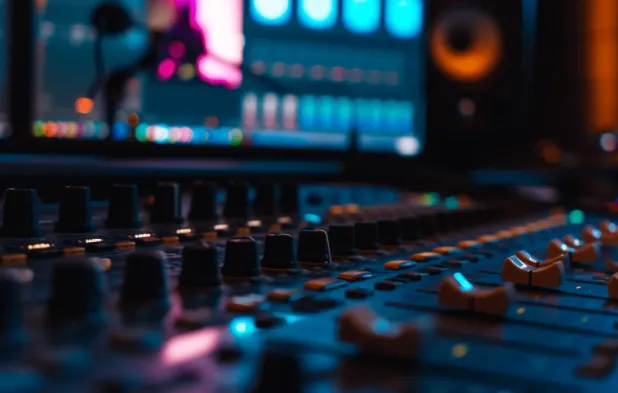
In today’s fast-paced digital world, content is everywhere. From livestreams and tutorials to podcasts and hybrid events, standing out requires more than just a good idea. Audio and visual quality play a critical role in how audiences perceive and engage with content. Companies like Megahertz Production have demonstrated that careful attention to production details can transform ordinary content into compelling experiences. This guide covers practical, creative, and technical tips for digital creators to enhance their audio-visual output and connect with audiences more effectively.
Prioritize Audio Quality
Audio is arguably the most important aspect of digital content. Poor sound quality can quickly turn viewers away, even if visuals are excellent. Clear, crisp audio ensures your message is understood and keeps your audience engaged.
- Invest in quality microphones: Lavalier, condenser, or shotgun microphones can drastically improve sound clarity compared to built-in camera or laptop microphones.
- Monitor audio levels: Use headphones during recording or livestreaming to catch distortions or background noise early.
- Control the environment: Minimize echo by using carpets, curtains, or foam panels, and reduce external noise.
- Test before going live: Conduct sound checks and rehearsals to prevent technical problems during recordings or broadcasts.
Master Lighting Techniques
Lighting shapes the visual perception of your content. Proper lighting enhances depth, mood, and professionalism.
- Key light: Place the main light source at a 45-degree angle to the subject for natural illumination.
- Fill light: Soften shadows created by the key light using secondary lights or reflectors.
- Backlight: Separate the subject from the background and add depth with subtle backlighting.
- Practical tips: Ring lights, LED panels, or softboxes can create even, flattering lighting without harsh shadows. Adjusting color temperature ensures your visuals match the intended mood.
Camera Selection and Placement
Visual clarity is crucial for audience retention. While smartphones can capture decent video, dedicated cameras offer superior flexibility and quality.
- Camera type: Mirrorless and DSLR cameras provide control over focus, aperture, and depth of field.
- Resolution: Recording in 1080p or 4K ensures crisp visuals and future-proof content.
- Stability: Tripods, gimbals, and mounts prevent shaky footage and maintain professionalism.
- Angles: Experiment with framing and camera height to create dynamic and engaging shots. Companies like Megahertz Production often emphasize the importance of multi-angle setups for livestreams to enhance viewer experience.
Backgrounds and Set Design
A well-thought-out background complements your content and reduces distractions.
- Minimalism: Simple, neutral backgrounds keep the focus on the subject.
- Branding: Subtle props, logos, or color schemes can reinforce brand identity without overwhelming viewers.
- Consistency: Maintain similar background styles across multiple videos to build a recognizable visual identity.
Webcasting and Livestreaming Best Practices
Livestreaming combines multiple elements, and small mistakes can detract from the overall experience.
- Platform selection: Use reliable software like OBS Studio, vMix, or Wirecast for advanced control.
- Internet reliability: Ensure a stable, high-speed connection; consider backup options to avoid interruptions.
- Interactive engagement: Incorporate Q&A sessions, polls, or live comments to increase audience participation.
- Recording for repurposing: Save livestreams to edit and share as tutorials, highlight reels, or promotional content.
Storytelling and Content Structure
Even flawless audio and visuals cannot replace good storytelling. A clear narrative captures attention and maintains viewer interest.
- Hook early: Capture attention within the first 10–15 seconds.
- Structured content: Organize content with a clear beginning, middle, and end.
- Visual support: Use graphics, text overlays, and cutaway shots to reinforce key points.
- Personal connection: Share anecdotes or behind-the-scenes insights to humanize content.
Graphics, Overlays, and Effects
Visual enhancements can make your content more engaging and professional.
- Lower-thirds: Display names, titles, or topics subtly.
- Intros and outros: Create consistent opening and closing sequences for branding.
- Motion graphics: Add dynamic elements sparingly to maintain focus on the subject.
- Multi-camera effects: Picture-in-picture or split-screen setups can enrich presentations, especially during webinars or performances.
Consistency Across Platforms
Building a reliable audience requires visual and audio consistency across all channels.
- Branding: Keep logos, fonts, and color schemes uniform across videos and livestreams.
- Audio levels: Maintain consistent volume across all recordings to avoid jarring transitions.
- Posting schedule: Regular uploads or streams build audience expectations and loyalty.
Collaboration with AV Professionals
As content grows, creators often benefit from professional AV support.
- Access to high-end equipment: Renting cameras, microphones, and lighting saves costs while improving quality.
- Technical expertise: Professionals troubleshoot live production issues quickly, preventing costly errors.
- Customized solutions: Multi-camera setups, hybrid event production, and livestream optimization are easier with expert assistance. Collaborating with companies like Megahertz Production allows creators to focus on creativity while ensuring flawless delivery.
Testing, Rehearsals, and Quality Control
Preparation prevents technical mishaps and ensures smooth productions.
- Rehearse setups: Test cameras, microphones, and lighting before going live.
- Check internet speed: Verify upload and download speeds, and have backup connections ready.
- Run through content: Practicing scripts or outlines minimizes awkward pauses and mistakes.
- Contingency planning: Prepare for unexpected technical issues with backup devices and solutions.
Future Trends in Digital Content Production
Digital content continues to evolve with new technologies shaping how creators engage audiences. Virtual reality, augmented reality, and interactive livestreams offer innovative ways to connect. Staying current with emerging trends and tools ensures creators remain competitive. Companies like Megahertz Production are already experimenting with immersive audio-visual setups that push the boundaries of audience engagement.
Conclusion
High-quality audio-visual production is essential for digital creators aiming to grow their audience and deliver compelling content. Prioritizing sound, mastering lighting, choosing the right cameras, designing effective backgrounds, and using professional livestreaming practices are all part of creating an engaging viewer experience. Combining technical skill with strong storytelling and creative graphics further elevates content.
By integrating these tips, digital creators can produce professional, captivating content that resonates with audiences, increases retention, and establishes credibility in a crowded online environment. Whether you’re an independent creator or producing large-scale online events, focusing on audio-visual quality is an investment in long-term digital success.
