


Cataract surgery is a well-established procedure that restores clear vision by removing a cloudy lens and replacing it with an artificial one. The method used can vary, and the right choice depends on the cataract’s characteristics, your eye health, and your lifestyle needs. For patients in Houston seeking exceptional care, consulting with the best cataract surgeon in Houston ensures personalized treatment tailored to your unique vision goals. Knowing what each option involves helps you make an informed decision in partnership with your ophthalmologist.
Small-Incision Cataract Surgery
Small-incision cataract surgery, also called phacoemulsification, is the most widely performed method. The surgeon creates a small opening on the eye’s surface near the cornea’s edge. A thin probe sends ultrasonic vibrations into the lens, breaking the hardened cataract material into tiny fragments. The remaining pieces are removed with suction through the same opening.
Once the cloudy lens is cleared, an intraocular lens (IOL) is inserted through the same incision. Because the opening is small, stitches are rarely needed. Recovery is usually fast, with minimal discomfort. Patients often notice improved clarity within a few days, though full visual stabilization can take several weeks.
Extracapsular Cataract Surgery
Extracapsular cataract surgery is less common but remains suitable for advanced or very dense cataracts. In this method, the surgeon makes a larger incision to remove the lens’s hard central portion in one piece. Any remaining lens material is cleared by suction before placing an IOL.
This approach may require stitches, which can extend healing time compared to small-incision surgery. However, it allows for complete removal of thicker cataracts that cannot be efficiently broken down with ultrasound. Postoperative care is similar, including protective eyewear, prescribed eye drops, and scheduled follow-up visits.
Laser-Assisted Cataract Surgery
Laser-assisted cataract surgery uses a femtosecond laser to perform some of the steps traditionally done with surgical instruments. The laser creates precise incisions, opens the lens capsule, and softens the cataract for easier removal. This technique can improve consistency in certain surgical steps and may be beneficial for complex cases or patients with astigmatism.
Recovery and postoperative care follow similar timelines to other methods. Not all patients require or benefit from laser assistance, and your ophthalmologist will weigh the potential advantages against standard surgical approaches.
Intraocular Lens Choices
The replacement lens is an essential part of cataract surgery. Different IOL types are available, and your selection can affect both vision quality and the need for glasses after surgery.
Monofocal lenses correct vision at one distance, usually far. Glasses may still be needed for reading or intermediate tasks.
Multifocal lenses provide multiple focal points, helping reduce the need for glasses across various distances.
Toric lenses correct astigmatism in addition to cataracts, improving clarity for patients with irregular corneal curvature.
Your ophthalmologist will discuss each option’s benefits and limitations based on your daily activities and visual goals.
The Procedure Experience
Cataract surgery is typically performed while you are awake. You receive mild sedation to help you relax, along with numbing eye drops or gel. Most procedures take 10 to 20 minutes, though plan on staying for additional time to recover from the sedative.
You will not see the surgery itself, only lights or vague movement. Discomfort is minimal, and patients often describe the process as easier than expected.
Recovery Timeline
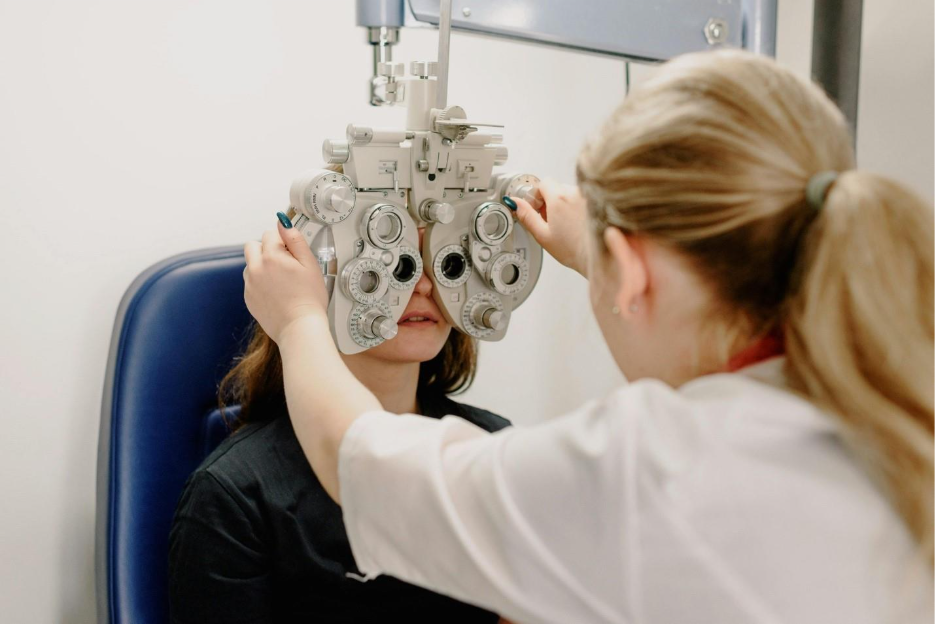
After surgery, vision usually improves within hours, though initial blurriness is common. Colors often appear brighter because the clouded lens no longer filters light. Mild redness, dryness, or itching may occur but generally resolves within days.
Your ophthalmologist will provide eye drops to prevent infection and manage inflammation. Protective shields are recommended during sleep to avoid accidental rubbing or pressure on the operated eye. Most patients can resume light activities within two to three days, though complete recovery and stabilization of vision typically take one to two months.
Follow-Up Care
Postoperative appointments are essential to monitor healing. The first visit is often within a day or two after surgery, followed by additional check-ins over the next few weeks. At the one-month mark, you will likely receive a new glasses prescription if needed.
Any sudden changes in vision, increased pain, or unusual discharge should be reported promptly. Although severe complications are rare, timely management helps preserve optimal results.
Possible Complications
While cataract surgery has a strong safety record, no surgery is without risks. Infection, swelling, or elevated eye pressure may occur but are generally treatable.
A common later development is posterior capsule opacification, sometimes called an “after-cataract.” This occurs when the membrane left in place to support the IOL becomes cloudy, affecting vision. Treatment involves a quick, painless laser procedure called YAG capsulotomy, which restores clarity almost immediately.
Choosing the Right Option
Your decision on surgery type depends on several factors, including cataract density, corneal health, presence of other eye conditions, and visual needs. For some, a standard small-incision approach with a monofocal lens offers excellent results. Others may benefit from toric or multifocal lenses, or from laser-assisted methods.
Discussing your lifestyle, work requirements, and any pre-existing conditions helps your ophthalmologist recommend the most suitable approach. If both eyes require surgery, they are usually treated separately to allow healing and adjustment.
Living with Clearer Vision
Once healed, most patients experience a significant improvement in visual function. Tasks such as reading, driving, and recognizing faces often become easier and more enjoyable. While glasses may still be needed for certain activities, the overall quality of sight typically improves.
Maintaining eye health after surgery involves regular checkups, UV protection when outdoors, and prompt attention to any new symptoms. With modern techniques and careful postoperative care, cataract surgery provides lasting visual benefits for the majority of patients.
Summary
Cataract surgery is a reliable way to restore vision lost to lens clouding. Understanding the options for cataract surgery available today—from small-incision to laser-assisted methods, and from monofocal to advanced IOLs—allows you to choose a treatment that fits your needs. With expert guidance and proper aftercare, patients can expect a smooth recovery and a return to clearer, brighter sight.
