
Winning high-value clients in construction takes more than showing finished projects. You need a clear way of speaking to the people you want to work with, focusing on what they want and what worries them. To attract serious leads, your words should focus on “customer gains”-the real, practical, and emotional benefits clients get-while showing your firm as honest, reliable, and expert. With strong construction copywriting, you can turn basic service lists into persuasive messages that build trust and support big buying decisions.
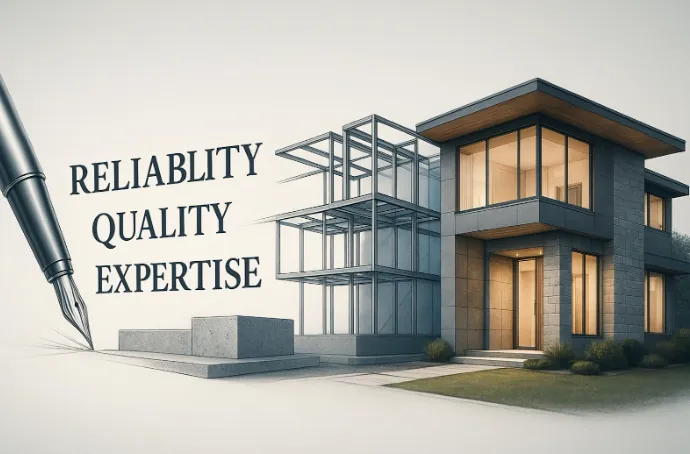
Today, high-value clients look for reliability, quality, and as little stress as possible. If your website or brochures only talk about “what” you do and skip “how” it improves the client’s life, you are probably missing out on revenue.
Professional construction copywriting closes this gap by explaining your value in a clear, personal, and professional way, helping your business stand out as the best choice in a busy market.
Why Effective Construction Copywriting Attracts High-Value Clients
The Role of Copywriting in Construction Business Growth
Copywriting is the digital voice of your construction company. It is how you share your identity, values, and reliability with potential clients. For steady growth, you need a regular flow of projects, and strong copy is a key driver of that pipeline. You are not just filling space on a page; you are guiding someone from mild interest to signing a contract.
When you spend money and time on clear messaging, you are investing in your brand’s future. Good copy supports a strong reputation by making sure every message-email, social post, brochure, or web page-matches the quality of your actual work. This steady voice helps you move past revenue plateaus and reach the higher income levels many firms aim for.
How Compelling Copy Differentiates Your Construction Services
In construction, many firms offer similar services. Strong copy is what separates you from everyone else. It helps you move away from price-only competition and focus on value. By showing your specific skills and the way you solve client problems, you present your business as a trusted expert, not just another listing.
High-value clients often care more about reducing risk and getting quality than about the lowest price, so your copy should reassure them that you are the safest and most capable choice.
Your differences do not always have to be dramatic to matter. Maybe you use methods that shorten project timelines, or your team has decades of experience. Whatever makes you special, your copy should bring it forward.
When you use clear, benefit-focused language that holds attention, you stay in the client’s mind longer than competitors who rely on vague, standard marketing phrases.
What Makes Construction Copywriting Unique?
Key Elements of High-Converting Construction Copy
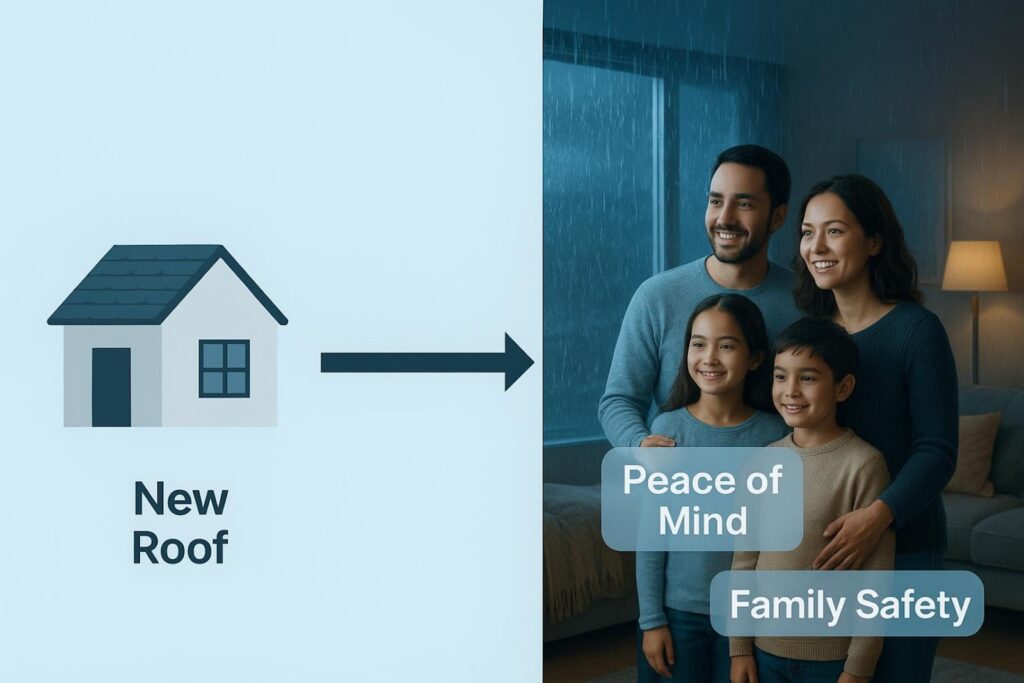
High-converting construction copy is built around “customer gains.” These are the outcomes your customers want, such as practicality, savings, peace of mind, pride, or status. For example, a homeowner does not just want a new roof; they want to feel safe knowing their family is protected. Your job is to work out whether each gain is basic, expected, or a pleasant surprise, and then shape your message around that.
Another key part is linking these gains to your unique value. Whether you promise you will “show up on time, every time” or that your “after pictures will look the same five years later,” your claims should be specific and believable. High-converting copy mixes enough technical detail to build trust with emotional benefits that show you understand the client, helping them feel confident that you can do what you say.
Common Copywriting Pitfalls in the Construction Industry
A common mistake in construction marketing is using too much industry jargon. Words that feel normal to a site manager can confuse or shut out a client. When your copy is packed with technical terms, people stop reading. Aim for clarity and simple language. Imagine you are talking to someone who has never been on a construction site. If they cannot quickly understand what they get from your service, they will walk away.
Another big problem is over-promising. It can be tempting to make bold claims to win a job, but if you cannot deliver, you risk damaging your reputation and losing repeat work. Honesty matters. Clear, realistic statements about timeframes, costs, and results build trust. Also, many firms forget to add a clear call to action (CTA). Without a strong CTA, potential clients might like what they see but not know what to do next.
10 Construction Copywriting Tips to Attract High-Value Clients
1. Identify and Address High-Value Client Needs
To bring in premium clients, you first need to know what they care about most. Do they want to save time, reduce effort, lower long-term costs, or all three? Your copy should speak directly to these points. For example, an HVAC company might highlight that their twice-yearly service reminders mean the client never has to think about their system breaking down, cutting surprise bills and stress.
Think about the social results your clients want too. High-end residential clients often want a property they can be proud of. Talking about outcomes like “a garden the neighbors notice for the right reasons” can be very persuasive for some buyers. When you focus on what the customer gains, you shift the talk away from price and onto value.
2. Highlight Unique Selling Propositions and Expertise
Your Unique Selling Proposition (USP) is what makes you stand out as the best choice for your ideal client. This could be eco-friendly materials, specialist training, or a unique way of working that keeps the site cleaner and safer. For instance, a painting contractor might stress that they “leave no mess behind,” which speaks directly to a common homeowner concern.
Lean into your niche. If you focus on historic buildings, luxury homes, or smart home systems, put that front and center. High-value clients often want specialists, not generalists. When you clearly explain your specific skills, you can charge higher rates that reflect your level of expertise.
3. Use Trust-Building Testimonials and Case Studies
Social proof is the base of trust in construction. Strong testimonials are short but specific. To get better testimonials, send clients a short questionnaire after the project with open questions that encourage detail. Instead of “they did a great job,” push for feedback like “they finished two weeks early, and the finish was flawless.”
Case studies go deeper by showing the problem, your approach, and the result. They let potential clients see how you solve real challenges. Showing “before and after” images and adding a review from a repeat client is especially powerful, as it shows both good results and a continuing relationship.
4. Craft Clear, Concise, and Jargon-Free Messaging
Clear writing leads to more enquiries. Your copy should be easy for anyone to read. Use plain words and explain any technical term you cannot avoid. This approach widens your audience and helps people feel comfortable, not embarrassed or confused.
Use short sentences, clear headings, and simple structure. People are busy and skim a lot of content, so get to the point fast. For every feature you mention, answer the question, “so what?” If you use a certain reinforced concrete, explain that it means the client’s building will need far less maintenance over time.
5. Use Storytelling in Your Project Descriptions
Stories make your company feel human and relatable. Instead of just listing the size and specs of a new office, tell how the design supports teamwork and how your crew handled a tricky site. Stories tap into emotion, helping prospects remember you over a competitor who only lists services.
Share the story of your company’s background or why your team cares about the work. Short team profiles and behind-the-scenes posts help prospects feel like they know the people on site before the project starts. That sense of connection often decides who wins high-value work.
6. Add Persuasive Calls to Action to Increase Enquiries
Every piece of copy should guide the reader to a next step. Common CTAs include “Schedule a Consultation,” “Download Our Portfolio,” or “Request a Quote.” Your CTA should be direct and action-focused. Avoid vague wording; use strong verbs that invite quick action.
Make your CTA easy to see and repeat it in logical places. After you explain a big benefit, give a clear way to respond right away. The less effort it takes to contact you, the more leads you will get.
7. Showcase Certifications, Awards, and Industry Recognition
Certifications and awards act like badges of trust. If you belong to trade bodies or have won local or national awards, show those logos in your copy and on your website. These signals help high-value clients feel confident about your standards and skills.
Mentioning recognition from peers or community groups adds extra weight. Adding these details to your “About” page or homepage helps show that others already trust you, which makes it easier for prospects to choose you, even at higher prices.
8. Optimize Web and Brochure Copy for Local SEO
People need to find you before they can hire you. Use relevant keywords-your services plus your area-to boost your search rankings. Local SEO matters a lot for construction firms that work in defined regions. Keep your Google My Business profile current and structure your site so search engines can read it easily.
Work keywords into sentences in a natural way. For example, instead of “we do roofing,” write “we provide residential roofing services in [City Name].” This helps you appear when people nearby search for that exact service.
9. Show Strong Project Outcomes with Data and Visuals
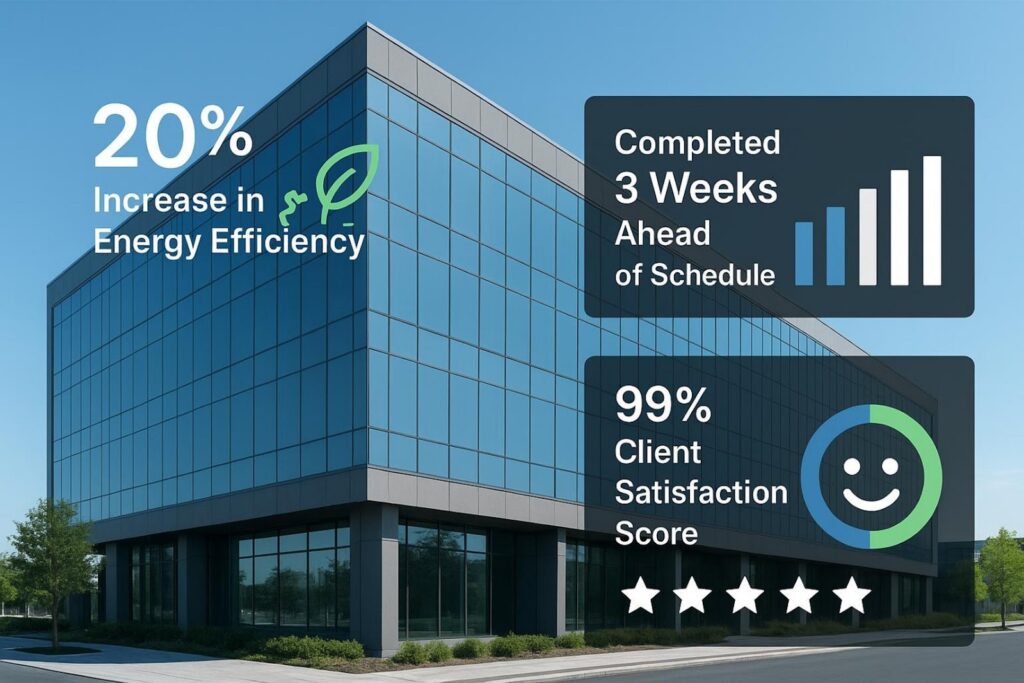
Numbers and images make your results real. If you have completed 500+ projects, improved energy use by 20%, or cut average project time by 15%, say so. Data gives a clear picture of what you can deliver and feels more reliable than general claims like “high quality.”
High-quality photos are just as important. A sharp image of a remodel that still looks great years later proves your work lasts. When you combine clear numbers with strong visuals, you give prospects solid reasons to trust your capability.
10. Keep Your Message Consistent Across All Channels
Your brand voice should feel the same whether someone reads your brochure, website, email, or LinkedIn post. A steady tone builds trust. If your website sounds formal and polished but your social media sounds random or messy, prospects may feel unsure about you.
Create a simple style guide for your team. Include your tone of voice, key phrases, and how you describe services and projects. Using the same approach everywhere makes your firm look more established and dependable.
How to Put Construction Copywriting Tips into Your Marketing
Integrating Copy into Websites and Brochures
Your website and brochures often give prospects their first full view of your company. Use them to present your best work, but do not rely on photos alone. For each project, add a short story: the client’s goal, the main challenge, and what you delivered. This helps people see how you think and how you treat clients.
On your website, keep the menu simple and make services, locations, and contact details easy to find. Brochures should have a clear order: strong cover headline, overview of benefits, your USPs, proof (testimonials, logos, stats), and a clear CTA. Both website and brochures should repeat the message that working with you means long-term quality and value.
Using Copy Across Social Media and Email Campaigns
Platforms like Instagram and Facebook are great for visual updates and quick stories from site to screen. Use captions to point out specific features, share tips, or answer common questions. This keeps people interested and reminds them you are active and busy. LinkedIn is better for more detailed insights, industry news, and building relationships with commercial clients and partners.
Email gives you a more personal channel. Break your list into groups so you can send messages that fit each group-for example, maintenance advice for past clients, and case studies for warm leads. Use names, refer to past projects where relevant, and focus on topics each group cares about. This raises open rates, keeps you front-of-mind, and moves people closer to booking you.
Answers to Common Construction Copywriting Questions
What Drives Action in Construction Copywriting?
People act when they see clear value and feel ready to move now rather than later. When a prospect feels you understand their problem—a leaking roof, a worn-out office, a tight schedule—and sees the gains you offer, they are much more likely to get in touch. Confident, clear language that reduces the sense of risk is key in high-cost construction decisions.
Adding social proof—reviews, case studies, and expert endorsements from partners like BuiltFor Studio—backs up your claims. When someone believes you are a safe choice and that the result will be worth the money, it becomes much easier to say yes. A direct, strong CTA at the right point then helps them take that final step.
How Does Storytelling Increase Client Engagement?
Stories hold attention by helping people imagine themselves in the result. A list of services is easy to forget, but a story about how you turned a dark, dated house into a bright family home sticks in the mind. When you share the challenges and the smart choices your team made, you show your skill in a memorable way.
Stories also show the human side of your firm. Construction can feel very technical and distant, but when you highlight the care, effort, and pride behind each build, you become more approachable. That emotional link often makes the difference, especially for bigger, more personal projects.
How Can Construction Companies Optimize Copy for SEO?
Start by researching the phrases your ideal clients type into Google. Once you know them, add them naturally to headlines, paragraphs, and meta descriptions. Creating useful blog posts that answer questions like “how to choose a contractor” or “benefits of sustainable building” can bring more organic traffic.
Search engines also look at how your site is built and how often it is updated. Keep adding new project photos, case studies, FAQs, and articles. This tells search engines your business is active and relevant, helping your rankings and making it easier for high-value clients to find you.
Maximizing the Impact of Construction Copywriting for Client Acquisition
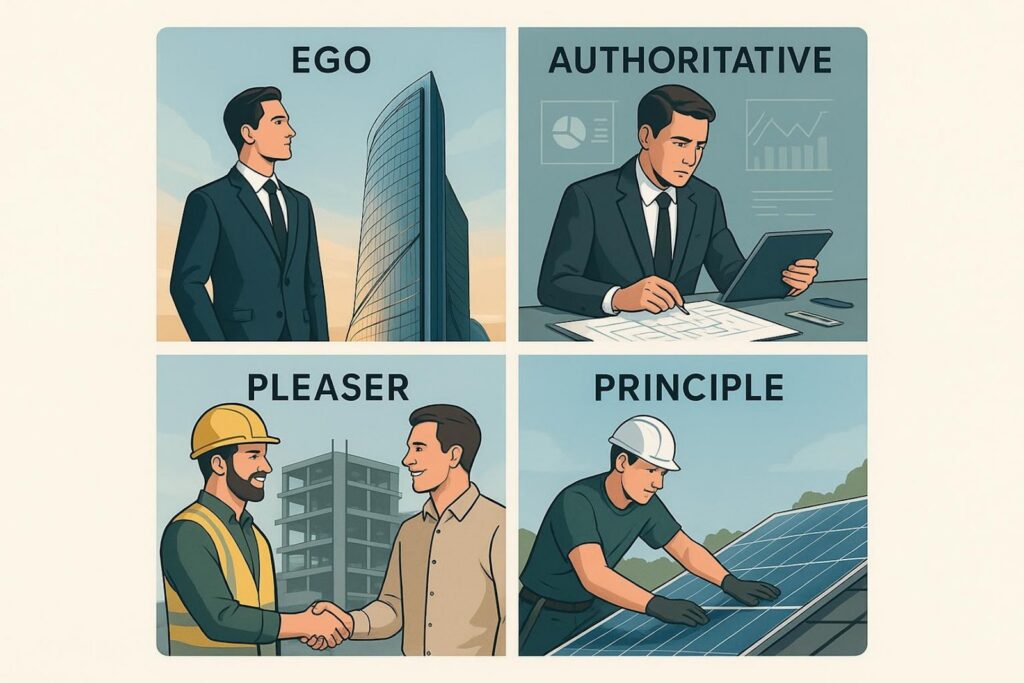
To get the most from your messaging, it helps to understand the mindset of your audience. Many people fall into one of four main styles: the Ego type (likes status and impact), the Pleaser (likes harmony and approval), the Authoritative (likes control and facts), and the Principle (cares about values and ethics). High-value clients often lean toward the Authoritative or Ego groups. They respond well to copy that shows leadership in your field, high-status results, and proof-backed reliability.
By matching your tone to these styles, you build stronger bonds. An Ego-led buyer will respond to phrases about owning a home that stands out or a building that sets a new standard. An Authoritative buyer will be more impressed by your credentials, project schedules, and performance data.
When you mix these psychological insights with a focus on customer gains-such as cleaner sites, better communication, or higher long-term value-you create marketing that not only attracts high-value clients but also turns them into long-term supporters of your brand.
