

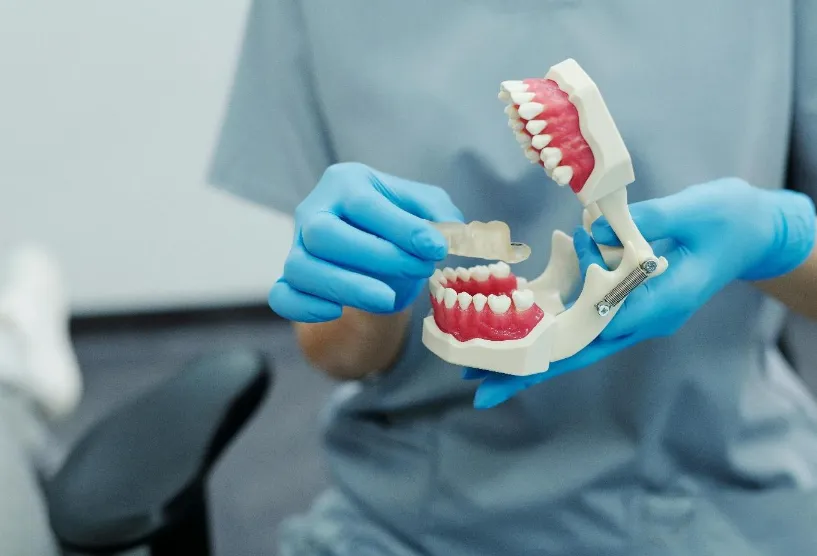
Dental care is often one of the first health expenses people cut when budgets are tight, and in Canada, this problem has become more visible in recent years. Many families, especially those without employer-provided benefits, skip routine checkups and cleanings because of the cost. This decision might save money in the short term, but it can lead to much bigger problems down the road, both for oral health and overall well-being.
Oral health is closely connected to your general health. Untreated cavities can lead to infections, gum disease has been linked to heart problems, and missing teeth can affect speech and nutrition. In a country where healthcare is publicly funded but dental care is often left to individuals to pay out of pocket, many Canadians find themselves delaying treatment until it becomes urgent.
That’s why new public initiatives focused on improving access to dental services are so important. Affordable programs help reduce the financial barrier to care, encourage preventive visits, and improve long-term health outcomes for individuals and communities.
Expanding Access Through Public Programmes
For years, the cost of dental care in Canada has been a major concern, especially for families without employer-sponsored benefits. Many Canadians have been forced to delay or skip appointments entirely, leading to preventable problems that could have been addressed early. Canada is taking steps to make dental care more accessible, especially for lower- and middle-income families. Canada is taking steps to make dental care more accessible, especially for lower- and middle-income families. Programmes like the Canadian Federal Dental Plan are designed to fill the gap for people who don’t have private insurance, covering essential services like checkups, cleanings, x-rays, and preventive care. This type of initiative makes it easier for families to stay on top of their oral health without worrying about cost.
The goal of these programmes is simple: prevent small issues from turning into major, costly problems. When people can access care regularly, they are more likely to catch cavities early, treat gum disease before it progresses, and maintain good oral hygiene habits. It benefits not only individuals but also the broader healthcare system by reducing emergency visits for preventable dental issues.
Affordable dental coverage also helps promote health equity. It ensures that children, seniors, and vulnerable populations have the same opportunity to maintain their health as those with private coverage.
The Link Between Oral Health and Overall Health
Your mouth is a gateway to the rest of your body, and problems there can affect more than just your teeth. Gum disease has been linked to conditions like diabetes, heart disease, and stroke. Oral infections can spread to other parts of the body, leading to serious complications.
Beyond physical health, oral problems can impact mental health and self-esteem. Pain, missing teeth, or chronic bad breath can make people self-conscious, affecting their social interactions and confidence. Access to regular dental care allows you to address these concerns before they interfere with daily life.
The Hidden Costs of Delaying Dental Care
Skipping dental appointments might seem like a way to save money, but it often ends up costing more in the long run. A simple cavity left untreated can turn into a root canal or extraction, which is far more expensive and invasive. Gum disease, if not managed early, can lead to tooth loss and the need for dentures or implants.
There’s also the cost of missed work and reduced productivity. Dental pain can make it hard to focus, and untreated infections can force people to take time off work or school. By keeping up with regular care, you can avoid these disruptions and expenses.
Preventive Care as a Cost-Saving Solution
Preventive dental care is one of the most cost-effective ways to protect your health. Routine cleanings remove plaque before it causes damage, and exams catch problems early. Fluoride treatments and sealants can help protect teeth, especially in children.
When you prioritize preventive care, you’re less likely to need costly restorative procedures later. This is why affordable access matters so much. It encourages people to see a dentist regularly instead of waiting until something hurts.
Barriers to Accessing Dental Care
Despite the proven benefits of dental care, many Canadians still face obstacles. Cost is the biggest barrier, but geography can also play a role. In rural or remote areas, there may be fewer dentists, making it hard to get an appointment without travelling long distances.
Some people also experience dental anxiety, which can make them avoid visits even when they can afford them. Public programmes can help by making care more accessible and by funding community clinics that offer patient-centred, supportive environments.
Encouraging a Culture of Dental Health
Education is key to improving oral health outcomes. Teaching children proper brushing and flossing techniques at an early age helps set them up for a lifetime of healthy habits. Schools, community centres, and public health campaigns can play a big role in spreading awareness.
Employers can also contribute by offering workplace wellness initiatives that include dental coverage or educational sessions on oral health. When oral care becomes a normal part of everyday conversation, people are more likely to seek treatment before problems escalate. Building this culture not only reduces long-term healthcare costs but also helps remove the stigma that sometimes surrounds dental visits. Over time, communities that prioritise oral health education see better outcomes, stronger prevention practices, and fewer cases of advanced dental disease.
Affordable dental care isn’t just about keeping your smile bright. It’s about protecting your overall health. When Canadians have access to regular checkups and preventive services, they are less likely to suffer from serious oral health problems and the complications that come with them.
Public programmes like Canada’s federal plan are a step in the right direction, helping families stay healthy and reducing the burden on the healthcare system. If you’ve been putting off a dental visit because of cost, now is the time to explore your options and take control of your oral health.
By making dental care a priority, you’re investing in your well-being, not just for today, but for years to come.
