

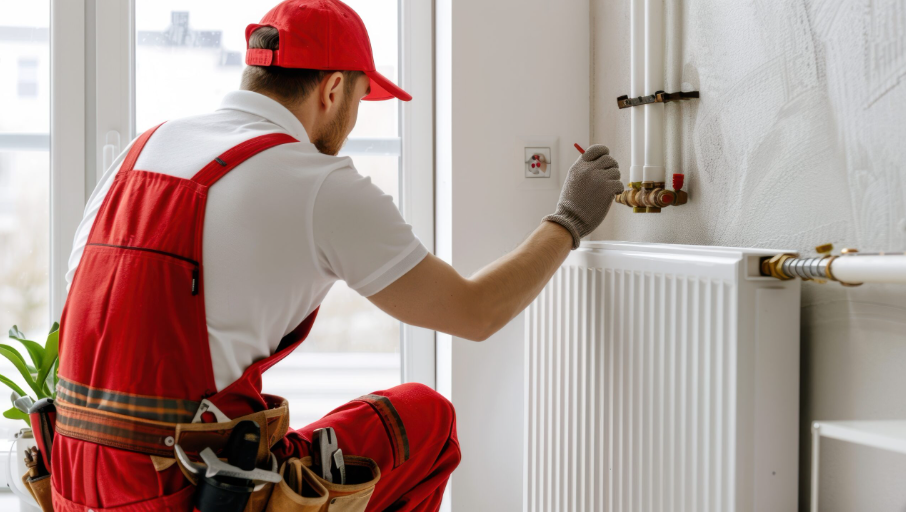
Heating systems are crucial for maintaining a comfortable and safe indoor environment, especially during the colder months. When a heating system starts to malfunction, it can disrupt your household and even pose safety risks. While some issues can wait for routine service, there are situations where immediate action is necessary to prevent further damage, avoid costly repairs, or ensure the safety of your home and family. Knowing when to schedule emergency heating repairs can save you stress and help protect your system from more serious issues.
Unusual Noises
Heating systems typically make a low humming or operational noise during use. However, loud or unusual sounds like banging, screeching, rattling, or hissing are signs something is wrong.
- Banging or Booming: Often caused by delayed ignition in gas furnaces or ductwork expansion.
- Screeching: This could indicate a worn-out blower motor or fan belt.
- Hissing: This May point to air leaks in ducts or a refrigerant issue if you have a heat pump.
Ignoring these noises can lead to significant damage. For example, a failing motor can cause your system to stop working entirely, and ignition issues can become safety hazards.
Lack of Heat
If your heating system runs but doesn’t produce enough heat or blows cold air, there’s likely a serious problem. Common causes include:
- Thermostat Issues: Incorrect calibration or faulty wiring can disrupt temperature regulation.
- Pilot Light or Ignition Problems: Gas furnaces with extinguished pilot lights or faulty ignition systems can’t generate heat.
- Clogged Filters or Blockages: Restricted airflow can reduce heating efficiency.
A lack of heat is particularly urgent during extremely cold weather, as it can lead to freezing pipes and uncomfortable indoor conditions.
Short Cycling
Short cycling occurs when your heating system frequently turns on and off without completing a full cycle. This issue can strain your system and increase energy bills. Common causes of short cycling include:
- Overheating: Dirty filters or blocked vents can cause your system to overheat and shut down prematurely.
- Thermostat Problems: A malfunctioning thermostat might cause inconsistent cycling.
- Oversized System: If your heating system is too powerful for your home, it may cycle off quickly after reaching the set temperature.
Short cycling not only wastes energy but also shortens the lifespan of your heating system.
Gas Odors or Leaks
If you detect the smell of gas near your furnace or heating system, this is a critical safety concern that requires immediate attention. A gas leak can lead to fire hazards or carbon monoxide exposure.
- Rotten Egg Smell: Natural gas is odorized with a sulfur-like smell to help detect leaks.
- Hissing Sounds: Gas leaks can also produce audible hissing near pipelines or the furnace.
If you notice these signs, shut off your heating system, leave your home, and contact a professional immediately.
Carbon Monoxide Alarms
Carbon monoxide (CO) is a colorless, odorless gas that can be deadly when inhaled in high concentrations. Heating systems that burn fuel, like gas furnaces or boilers, can produce CO if not vented properly or if components are damaged.
- Activated CO Detectors: These alarms signal potentially dangerous levels of CO in your home.
- Symptoms of CO Poisoning: Headaches, dizziness, nausea, and confusion can indicate CO exposure.
If a CO alarm goes off, turn off your heating system, ventilate your home, and call for emergency service.
Water Leaks Around the System
If you notice water pooling around your furnace, boiler, or heat pump, it’s a sign of trouble. Water leaks can result from:
- Condensate Drain Blockages: Clogged drains or lines can cause water to back up.
- Faulty Pressure Relief Valves: Boilers with damaged valves can leak water.
- Cracked Heat Exchangers: A serious issue requiring immediate repair.
Water leaks can damage surrounding areas, promote mold growth, and indicate larger problems with your system.
High Energy Bills
A sudden spike in your energy bill could be a sign your heating system isn’t operating efficiently, making it essential to explore options like a cheap electricity company to manage costs.
Causes may include:
- Dirty Filters: Reduced airflow forces the system to work harder.
- Worn Components: Aging parts, like motors or burners, may reduce performance.
- Duct Leaks: Conditioned air escaping through gaps in ductwork increases energy use.
If you notice your bills climbing without a change in usage, your heating system likely needs immediate attention.
Unresponsive System
When your heating system fails to respond to thermostat adjustments, it may signal a serious issue. Potential causes include:
- Blown Fuses or Tripped Breakers: Electrical issues can disable your system.
- Damaged Thermostat Wiring: Prevents communication with the system.
- Malfunctioning Blower Motor: Reduces airflow and heating capability.
An unresponsive system during cold weather can quickly become a critical situation.
Uneven Heating
If some rooms in your home are warmer or colder than others, it indicates your heating system isn’t distributing heat properly. Causes can include:
- Blocked Vents or Registers: Restrict airflow to certain areas.
- Ductwork Issues: Leaks or disconnected sections reduce heat delivery.
- Aging System: Older systems may struggle to maintain consistent temperatures.
Uneven heating can lead to discomfort and higher energy use, so it’s important to address the issue promptly.
Burning Smells
A burning smell coming from your heating system isn’t normal and often signals a problem.
- Dust Burnoff: Dust accumulation can burn off when the system first turns on, but the smell should dissipate quickly.
- Electrical Issues: Burning plastic or metal smells may indicate overheating components or faulty wiring.
- Mechanical Problems: A burnt odor could result from motor or belt issues.
If the smell persists, shut off your system and schedule an inspection to prevent fire hazards.
Frozen Components
In homes with heat pumps, outdoor units may freeze during winter. While a defrost cycle usually resolves minor icing, heavy ice buildup can damage the system. Signs of trouble include:
- Frost or Ice on the Coils: Can obstruct airflow and reduce efficiency.
- System Struggling to Heat: Indicates the defrost cycle isn’t working properly.
Addressing frozen components quickly helps prevent further damage and keeps your system running efficiently.
Aging Equipment
If your heating system is nearing the end of its lifespan (typically 10–15 years for most systems), it’s more likely to develop problems. Frequent repairs or noticeable declines in performance indicate it may be time for replacement. Scheduling emergency repairs for aging equipment ensures it lasts through the current season.
How Prompt Repairs Save Money and Time
Ignoring signs that your heating system needs repairs can lead to more expensive and extensive damage. Small issues, such as a dirty filter or minor leak, can escalate into larger problems if left unchecked. Prompt attention to these issues can:
- Prevent System Breakdowns: Reduces the risk of sudden failures during peak usage.
- Improve Energy Efficiency: Keeps operating costs low.
- Extend System Lifespan: Minimizes wear and tear on components.
By recognizing the signs of trouble early and scheduling emergency repairs when necessary, you can keep your heating system running efficiently and reliably all winter.
