

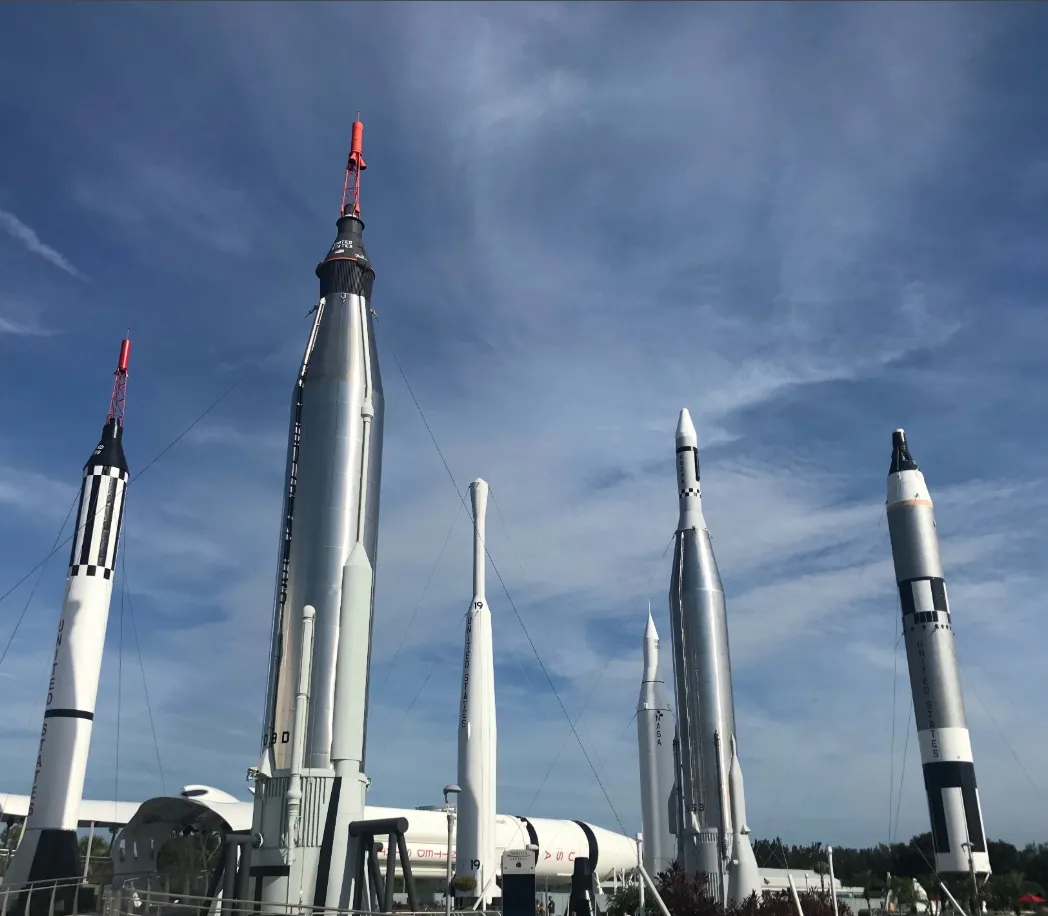
Space tourism refers to the commercial travel of private individuals to space for recreational, leisure, or adventure purposes. Once limited to highly trained astronauts and government missions, space travel has entered a new era. Now, even civilians can experience suborbital or even orbital flights for adventure.
Thanks to the efforts of private space firms like SpaceX, Virgin Galactic, etc. This remarkable shift has sparked debate over its implications for science, the environment, global inequality, and our understanding of life beyond Earth.
In this article, we will delve into six key ways space tourism could influence humanity’s trajectory as the space tourism industry grows.
Redefining Who Gets to Be an Explorer
No longer limited to scientists or military-trained personnel, civilians from diverse backgrounds now have the chance to witness Earth from above.
As per Wion News, companies such as SpaceX, Blue Origin, and Virgin Galactic are pioneering space tourism. They are offering both suborbital and orbital flights that allow passengers to view Earth from space. Ticket prices currently range from $250,000 to several million dollars, which means access to the ultra-wealthy only.
While more flights are on the horizon and costs may decrease with technological advancements. As of now, space tourism remains an exclusive experience reserved for the richest individuals.
Space Tourism as a Catalyst for Innovation
Space tourism is accelerating advancements in aerospace technology, safety systems, and reusable rockets. Private companies are investing heavily in developing more efficient spacecraft to benefit space travel.
Future Market Insights reports that as space tourism technology evolves, civilian access to space will expand significantly. The US space tourism industry is expected to grow rapidly, from an estimated $757.9 million in 2025 to $3.5 billion by 2035. It represents a robust compound annual growth rate (CAGR) of 16.7% over the forecast period.
These innovations may lead to improved materials, faster global transport, and even new energy solutions.
The Ethical Dilemma of Luxury Travel in Orbit
Society faces the ethical dilemma of luxury travel in orbit, especially policymakers, environmentalists, and equity advocates. While space tourism offers incredible experiences for the wealthy, it raises concerns about environmental impact.
According to Pew Research Center, 55% of US adults believe space tourism will become routine within 50 years. However, personal interest in participating remains limited. Only 35% say they would like to travel to space and orbit Earth, while 65% express no interest in taking such a trip themselves.
Critics question whether resources spent on space leisure could be better used to address urgent global challenges or not. All this makes the ethics of prioritizing space tourism a topic of growing debate.
Is space tourism contributing to climate change?
Yes, space tourism contributes to climate change, though its current impact is small compared to other industries. Rocket launches release black carbon and other pollutants into the upper atmosphere, which can linger and trap heat. As space tourism grows, its environmental footprint could become more significant and concerning.
What Happens When Something Goes Wrong
Space travel, while thrilling, carries significant risks. Mechanical failures, radiation exposure, and the physical toll of zero-gravity environments can pose serious threats to passenger safety.
Just as the ride-sharing industry, Uber faced lawsuits highlighting gaps in corporate responsibility and passenger protection, space tourism too might face it. The Uber lawsuit relates to the company’s negligence in implementing adequate safety standards and background checks to stop sexual assault by its drivers.
As per TorHoerman Law, thousands of sexual assault lawsuits have been filed against Uber in both state and federal courts. Most of the cases are now consolidated into a multidistrict litigation (MDL) to streamline the legal process.
Space tourism companies must be held to similarly strict accountability standards. Civilian space travel demands clear legal frameworks that address liability, informed consent, insurance requirements, and risk disclosure.
Who is liable for injuries in space tourism?
Liability for injuries in space tourism largely depends on contracts, waivers, and applicable laws. Space tourism companies often require passengers to sign agreements acknowledging the risks. However, if negligence or equipment failure is involved, the company could still be held responsible. Clear legal frameworks are still evolving globally.
Space Tourism’s Role in Planetary Perspective
Space tourism offers a profound shift in planetary perspective by allowing civilians to view Earth from orbit, a fragile, borderless sphere suspended in darkness. This “overview effect” often inspires awe and a deepened sense of environmental and global responsibility.
As more people witness our planet’s vulnerability firsthand, space tourism has the potential to foster unity and environmental consciousness. It can also foster a shared commitment to protecting Earth for future generations.
A New Era of Commercialized Space and Global Policy Challenges
The rise of commercial space tourism marks a new era where private companies drive access to orbit, which raises complex global policy challenges. Issues like space traffic management, environmental regulation, ownership of orbital zones, and equitable access are now urgent topics.
According to the Center for Strategic & International Studies, currently, 46,600 objects are tracked in Earth’s orbit. Out of these, 10,500 are active satellites and human-transporting spacecraft. Around 80% of operational spacecraft function in low Earth orbit (LEO), which spans 100 to 1,200 miles above Earth’s surface. With such congestion, collision risks are high.
Global cooperation is essential to ensure that commercialized space remains peaceful, inclusive, and responsibly managed for the benefit of all humanity.
Can space tourism grow long-term?
Yes, space tourism can grow long-term if safety, affordability, and sustainability improve. Continued investment and innovation may reduce costs and expand access. However, growth depends on addressing environmental impacts, legal regulations, and public trust. Balancing commercial interests with ethical and planetary concerns is crucial for lasting success.
Charting Humanity’s Future Beyond Earth
Space tourism is more than a luxury; it’s a powerful force shaping technology, ethics, policy, and our view of Earth itself. It is a powerful catalyst for innovation. As this industry matures, it must prioritize responsibility, safety, and inclusivity.
The decisions we make now will define whether space travel becomes a unifying leap forward or a missed opportunity for shared progress across humanity.
