

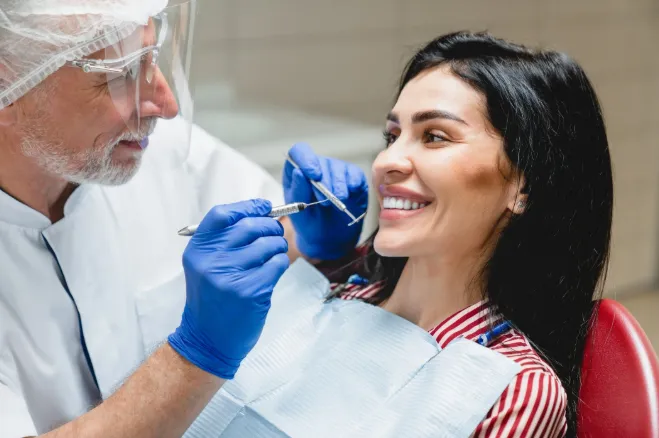
Experiencing dental or facial trauma can be a deeply distressing event, with impacts that go far beyond the physical injuries. An accident, sports injury, or fall can alter one’s appearance, affecting everything from basic functions like eating and speaking to the very core of self-esteem. The journey back to feeling like yourself again is both physical and emotional, but it is a path that many successfully navigate.
Recovering your confidence is a process that involves healing the body and nurturing the mind. It requires patience, professional support, and a commitment to self-care. This guide offers practical advice to help you move forward and regain your sense of self after a traumatic facial or dental injury.
The First Steps Toward Physical Recovery
The foundation of rebuilding confidence starts with addressing the physical injuries. A clear treatment plan from medical professionals provides a roadmap for healing and helps restore a sense of control.
Seek Immediate Professional Care
After any facial or dental injury, obtaining a prompt and thorough medical evaluation is critical. This ensures all injuries are properly diagnosed and treated, preventing future complications. Depending on the nature of the trauma, this may involve a team of specialists. For complex dental and jaw-related injuries, a qualified professional is essential. Finding a skilled oral surgeon in Richmond Indiana, for example, can be the first step toward a comprehensive reconstruction and recovery plan.
Understand Your Treatment Plan
Feeling informed about your recovery process can significantly reduce anxiety. Ask your healthcare providers to explain your injuries and the proposed treatments in a way you can understand. Whether it involves dental implants, jaw surgery, or other reconstructive procedures, knowing what to expect at each stage helps you mentally prepare and stay engaged in your healing journey.
Nurturing Your Emotional Well-being
The emotional and psychological impact of facial trauma is just as significant as the physical one. It is normal to feel self-conscious, anxious, or withdrawn. Acknowledging these feelings is a crucial part of the healing process.
Allow Yourself Time to Grieve
It is important to recognize that an injury can represent a loss—of your previous appearance, of a sense of safety, or of normalcy. Give yourself permission to feel sad, angry, or frustrated without judgment. Pushing these feelings away can hinder your emotional recovery. Speaking with trusted friends or family members can provide comfort and validation during this difficult time.
Focus on What You Can Control
While you cannot change what happened, you can control how you respond to it. Focus on small, manageable aspects of your daily life. This could be sticking to your treatment plan, practicing gentle self-care routines, or engaging in hobbies that bring you joy and do not revolve around your appearance. These small actions can help restore a sense of agency and purpose.
Practical Strategies for Rebuilding Self-Esteem
As you heal physically, you can actively work on rebuilding your self-confidence. This process is gradual and unique to each individual.
Re-engage with Social Activities Gradually
After a facial injury, the thought of facing the world can be daunting. You do not need to rush back into social situations. Start with short, low-pressure interactions with people you trust. A quiet coffee with a close friend or a family dinner can be a good first step. As your comfort level increases, you can gradually expand your social circle and activities.
Shift Your Focus to Non-Physical Attributes
Your identity is made up of so much more than your physical appearance. Take time to reconnect with your strengths, talents, and passions. Remind yourself of your kindness, your intelligence, your sense of humor, and your accomplishments. Shifting your self-perception to these internal qualities helps diminish the power the injury has over your self-worth.
Consider Professional Support
Navigating the emotional aftermath of trauma can be challenging to do alone. A therapist or counselor specializing in trauma or body image issues can provide invaluable tools and strategies for coping. They offer a safe space to process your experience and develop healthy ways to rebuild your confidence.
The path to recovery after dental and facial trauma is a journey of both physical and emotional healing. By seeking expert medical care, acknowledging your feelings, and taking proactive steps to nurture your self-esteem, you can successfully move forward and rediscover your confidence.
