

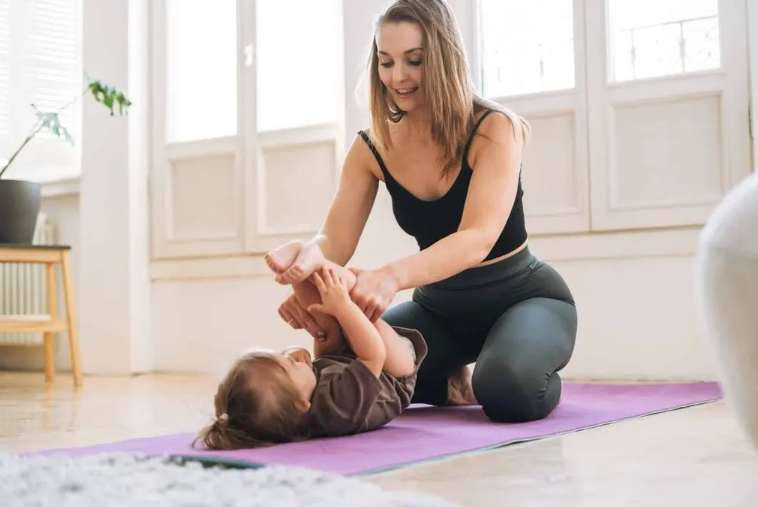
To give birth is a life-altering event that is joyful, full of love and new obligations. However, the physical discomfort may also be experienced unpredictably by the mothers during the weeks and months after childbirth. Postpartum joint pain is one of the most widespread but under-assessed problems.
Postpartum joint pain overview
PJP is an issue that has been increasingly recognised as a problem and triggered significant worries regarding its impact on health and well-being.
Postpartum joint pain is pain, stiffness or inflammation in the joints that occurs after the birth. It may start soon after birth or develop slowly during the first few weeks/months after birth. In some women, the pain is not very serious and passes away; in others, it may be very serious and disrupt their daily life.
Changes in the body during pregnancy are dramatic in nature, both physically and hormonally. Such changes do not fade away as soon as your baby is born. It is slow for your body to re-adjust, re-balance, and to gain strength again – and your joints experience the consequences of that change.
This pain does not last long, but must not be discounted, particularly when it improves or denies a normal movement.
Common causes of postpartum joint pain
The discomfort in the joints follows childbirth due to a number of reasons, including the following:
Hormonal fluctuations
When you are pregnant, the hormone relaxin is created in your body to relax the ligaments and open up the pelvis to deliver the child. Although this is necessary in delivery, this also leads to instability in joints. Relaxin decreases gradually in the postpartum period, which implies that your ligaments can be loose for weeks or even months. This may cause joint strain and misalignment.
Weakness of muscles and instability of the core.
During pregnancy, the abdominal muscles expand considerably and are likely to weaken or be divided (a condition referred to as diastasis recti). Your core fails to offer the appropriate support, and so the stress is transferred to the surrounding joints, which are vulnerable to it, in particular your pelvis, hips, and lower back.
Postural changes
During pregnancy, the location of the centre of gravity moves forward, causing a change in the sitting, walking, and standing positions. The readjustment of your body needs to be made again after delivery. In the meantime, the expectations of having a baby, such as bending, lifting, and holding, may further put additional burden on joints and muscles.
Weight-bearing stress
The additional weight puts extra pressure on your hips, knees, and ankles during pregnancy. These joints may still be burdened by the retained weight and weakened muscles even after birth.
Repetitive movements
The actions of newborn care include rocking, feeding, carrying and changing diapers, which are done repeatedly. Such repetitive movements may burn the wrists, shoulders and back, making the joint pain worse.
Lack of rest and poor sleep
One of the most important facts of early motherhood is sleep deprivation. Sleep deprivation enhances inflammation and decreases the capacity of the body to repair tissues, as a result of which joint pain persists.
Symptoms and when joint pain needs attention
Common postpartum joint pains manifest in a number of ways, such as:
- Pains in the hip, knees, back, neck, or wrists.
- Rigidity, particularly in the morning or after a rest.
- An increase in or a soreness of the joints.
- Synovitis during bending, lifting, walking or going up stairs.
- Pain when clicking or grinding in the joints.
- Decreased range of motion
Although light pain is not something to worry about, you need to reach out to a medical specialist in case:
- Severity or progressive aggravation of pain.
- You develop a great deal of swelling, redness or warmth in a joint.
- The pain is either one-sided or has an impact on your walking or taking care of your baby.
- Numbness, tingling, or weakness is experienced.
- Several months elapse with no improvement in the pain.
Such symptoms can represent more severe illnesses like pelvic instability, nerve compression, arthritis or joint injury.
At-home relief tips for postpartum joint pain
Simple and regular home treatments are often of solace to many new mothers. The following are some of the good techniques of managing natural joint pain:
Use heat or cold therapy
Warm compress or heating pad will help to relax the tight muscles and relieve the stiffness. Cold packs come in handy whereby there is swelling or inflammation. Apply for 15-20 minutes at a time.
Practice gentle movement
Although rest is good, excess inactivity may aggravate stiffness. The mild exercises like walking, stretching, yoga in the postpartum stages, and mobility exercises assist in boosting blood circulation and enhancing the joints.
Improve posture
Pay attention to the way you pick up and hold a baby. Never hunch your waist, straighten your back and hold your baby close to your body always bend your knees and not the waist. Pillows or a nursing support cushion should be used during feeding to take the pressure off of your back, shoulders and wrists.
Wear post delivery belly belt.
Postpartum belly wrap like the Momcozy Ergowrap Postpartum Belly Band is often useful during the recovery. Such a supportive wrap offers abdominal compression and offers lower back and pelvic stabilization. It helps relieve stress on adjacent joints by strengthening the weakened core muscles, as well as, enhancing posture. It provides many mothers with comfort in the movement, particularly in walking, lifting, and standing at length.
Pay attention to nutrition and hydration.
Consume a well-balanced diet, which is full of calcium, vitamin D, magnesium, and protein to keep the muscles and bones healthy. Inflammation prevention and healing are also facilitated by staying hydrated.
Rest whenever possible
It is during sleep and rest that your body is able to replenish the tissue and manage inflammation. It is also possible to enhance recovery and the level of pain by taking even shorter naps during the day.
Treatment options and prevention for postpartum joint pain
When home remedies are not sufficiently relieving, professional treatments can be of use:
Physical therapy
The exercises and stretches with the help of a pelvic floor or postpartum physical therapist can assist you in strengthening weak muscles, boosting posture, enhancing alignment, and stabilizing joints.
Massage therapy
Postnatal massage may help to decrease muscle tension, enhance blood circulation, and decrease joint pressure. Perhaps it can be particularly beneficial to the back, hips, and shoulders.
Pain management
In some situations, a physician can prescribe anti-inflammatory drugs or painkillers. When you are on breastfeeding, you should never take any drug without consulting your medical practitioner.
Comfort shoes and ortho ergonomics.
Joint stress should be reduced by using a proper dressed shoe with an arch support and ergonomic support like baby carrier and cushion, and supportive chairs.
Gradual return to exercise
When you are healed, you could resume strength training and less strain exercises (like swimming and pilates) to support the muscles and keep the joints safe in the long term.
Final Thoughts
Suffering postpartum joint pains is quite a normal thing, but it does not mean that one should silently bear the pains. Through adequate support, light exercise, rest, and the aid of the Momcozy Ergowrap Postpartum Belly Band, the majority of women will manage to alleviate pain and accelerate the healing process much faster.
