

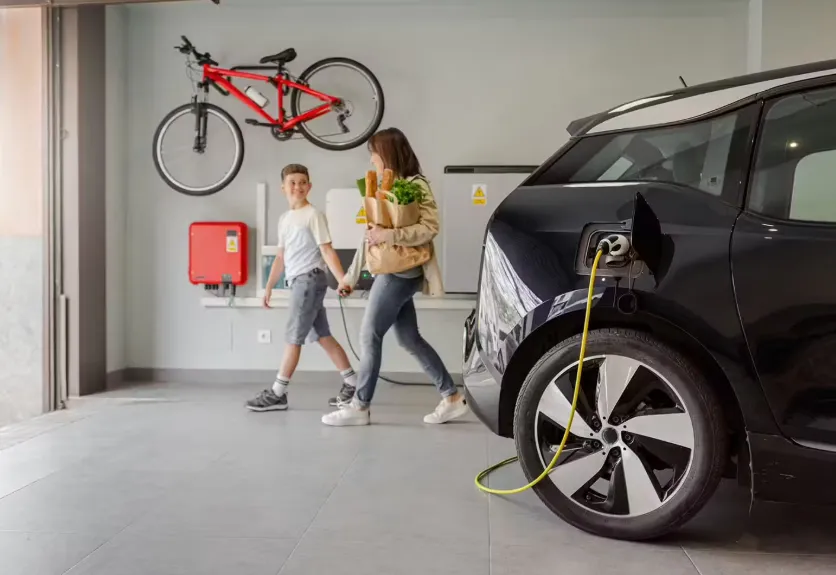
The increasing popularity of electric vehicles (EVs) has introduced new considerations for homeowners, particularly regarding their electrical infrastructure. As more people transition to clean energy transportation, understanding how home charging systems interact with a home’s electrical panel and circuits is essential. A proper setup ensures both safety and efficiency while preventing overloads that could compromise your electrical system. We will explore how installing an EV charger affects your home’s power distribution, what upgrades may be required, and how homeowners can prepare for the electrical demands of modern mobility.
Understanding the Impact of Home Charging Systems on Electrical Panels and Circuits
- Increased Power Demand on Electrical Panels
Installing an electric vehicle charging station significantly increases the power demand on your home’s electrical panel. Most Level 2 chargers, commonly installed in residential garages, require a dedicated 240-volt circuit, similar to that used for large appliances such as ovens or dryers. This demand can strain older panels that were not designed to handle such high loads. In many cases, a homeowner might need to upgrade the electrical panel to ensure it has enough capacity for the charger without compromising the performance of other circuits in the home.
For example, if your panel is rated for 100 amps and you add a charger that draws 40 amps, it can limit available power for other systems, especially if multiple high-energy appliances run simultaneously. When installing home charging systems for electric cars, evaluating your panel’s capacity before installation is crucial to prevent electrical hazards, tripped breakers, and potential damage to the system.
- Circuit Load Balancing and Distribution
Proper load balancing is critical when integrating an EV charger into your home’s electrical network. Each circuit in your home is designed to handle a specific load; exceeding that capacity can lead to overheating or even pose a fire risk. When you install a home charging station, electricians typically perform a load calculation to determine the amount of additional current your system can safely support. This step ensures that circuits are not overloaded and that the new charger operates efficiently alongside other household devices.
If your panel is already near its capacity, you may need to add sub-panels or redistribute circuits to accommodate the new load. This balancing process helps maintain consistent power flow and prevents interruptions during charging. A well-distributed system also extends the lifespan of your electrical components by minimizing stress on individual circuits.
- Potential Need for Electrical Panel Upgrades
One of the most common consequences of adding a home EV charging system is the need for an electrical panel upgrade. Many older homes have panels rated at 100 amps, which may be insufficient for today’s energy demands, especially when adding a high-amperage charger. Upgrading to a 200-amp panel or higher allows your home to safely handle the additional load. The process involves replacing the existing panel with a new one that has greater capacity and updated safety features.
This not only accommodates your charger but also prepares your home for future energy needs, such as integrating solar power or installing battery storage systems. Although an upgrade requires an investment, it ensures long-term stability and safety for your home’s entire electrical infrastructure. Furthermore, it can increase property value, as newer panels comply with modern safety codes and make homes more adaptable for advanced technologies.
- Voltage Considerations and Circuit Compatibility
When adding a charging system, it’s essential to match the voltage requirements of the charger to the available circuits in your home. Most home chargers require 240 volts, but not every household circuit can provide this level of power. In some cases, electricians may need to install a dedicated line or modify existing wiring to meet these requirements. Using incompatible circuits or insufficient voltage can result in inefficient charging, longer wait times, and potential damage to equipment.
Additionally, voltage stability is crucial to protect both your EV and your home’s electrical components. Voltage fluctuations can stress the charger and battery system, shortening their lifespan. Therefore, ensuring circuit compatibility and stable voltage delivery is a key part of a successful installation. Some modern chargers feature built-in voltage monitoring to enhance safety, but proper wiring and circuit evaluation remain essential before installation begins.
- Energy Efficiency and Load Management
As electric vehicle ownership rises, energy efficiency and smart load management have become increasingly important. Many new home charging systems feature smart capabilities that enable homeowners to schedule charging during off-peak hours, when electricity rates are lower. These systems also communicate with smart panels or energy management devices to distribute power efficiently across the household. By automatically adjusting the charger’s output based on current usage, these systems prevent overloads and reduce strain on circuits.
Additionally, integrating your charger with renewable energy sources, such as solar panels, can help balance power usage and reduce overall costs. Effective load management not only supports your vehicle’s energy needs but also contributes to a sustainable and resilient energy ecosystem at home. This smart coordination between devices allows homeowners to optimize performance while preserving electrical safety and efficiency.
Installing a home charging system for your electric car is more than just adding convenience—it’s an upgrade to your entire electrical ecosystem. Understanding how the system interacts with your electrical panel and circuits helps you make informed decisions about safety, efficiency, and long-term performance. By evaluating panel capacity, managing circuit loads, and implementing smart energy practices, you can create a reliable and future-ready setup that meets the growing demands of electric mobility. As technology continues to evolve, a properly configured electrical system ensures that your transition to sustainable transportation remains seamless, safe, and efficient for years to come.
