
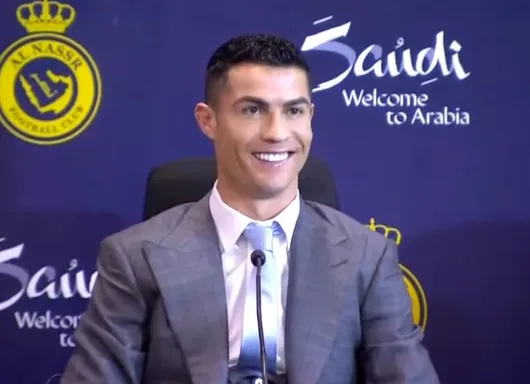
Cristiano Ronaldo is one of football’s most celebrated figures, admired not only for his achievements on the pitch but also for the way he engages with the media. Over the course of his career, Cristiano Ronaldo media interviews have revealed his ambitions, emotions, frustrations, and philosophy of life. They shaped his public image, influenced football culture, and often sparked global debates.
While his goals and trophies define him as an athlete, his interviews provide insight into his personality, mindset, and the pressures of living as one of the most recognized sportsmen in history. To understand the impact of Ronaldo’s media journey, it is essential to trace it from his early years through the modern digital era.
Early Interviews: Building the Public Persona
Ronaldo’s first interviews came during his early career at Sporting CP and shortly after joining Manchester United. These interviews often portrayed him as a young, ambitious footballer eager to prove himself. The way he carried himself in front of cameras—confident but humble—helped shape the first impressions the world had of him.
At that stage, Ronaldo’s interviews focused less on controversies and more on his passion for football and gratitude toward his family. Yet, even then, the seeds of his larger-than-life persona were evident. He wanted the world to know that he dreamed big. These early media moments set the tone for what would become a lifelong relationship with journalists and broadcasters.
Manchester United Years: Navigating the English Press
During his time at Manchester United, Ronaldo quickly learned that English media could be both a powerful ally and a harsh critic. Interviews during this period often highlighted his adaptation to the Premier League’s physicality, his relationship with Sir Alex Ferguson, and his rapid rise as a star.
English tabloids often probed into his personal life as much as his professional one. Ronaldo’s media interviews in England showed his ability to handle pressure, address criticism, and remain focused. They revealed resilience, especially after the 2006 World Cup incident with Wayne Rooney, where he had to face hostile questioning.
These years taught him how to navigate narratives, preparing him for even greater scrutiny in Spain.
Media Engagement in La Liga: Rivalries and Headlines
When Ronaldo moved to Real Madrid in 2009, the Spanish press immediately placed him under the microscope. Every interview he gave was dissected, often in the context of his rivalry with Lionel Messi. Spanish newspapers and broadcasters loved to frame Ronaldo’s words as declarations of superiority, ambition, or challenge.
His interviews frequently highlighted his hunger for success, his determination to surpass records, and his focus on discipline. At the same time, the media fueled rivalries by amplifying any bold or controversial statement. Ronaldo became not just a player but a cultural figure whose words carried weight beyond sport.
El Clásico Interviews: Fueling the Rivalry
El Clásico, the clash between Real Madrid and Barcelona, was not only a football match but also a media event. Ronaldo’s interviews before and after these matches often fueled the rivalry. Simple statements such as “I believe I’m the best” or “Madrid will dominate” were magnified into headlines across the globe.
These interviews intensified the drama of El Clásico, making them not just sporting contests but cultural spectacles. The Spanish press thrived on turning every quote into a spark for debate, and Ronaldo’s confidence made him an easy protagonist.
The result was a media cycle where interviews did not just reflect the game but actively shaped the narrative around it.
National Team Press Conferences
Ronaldo’s media role extended to his national team duties with Portugal. Press conferences before and after Euro and World Cup matches were occasions where he represented not just himself but his country.
His interviews often conveyed pride in wearing the Portuguese shirt, as well as frustration during difficult campaigns. For instance, after early exits in some tournaments, his candid comments revealed both vulnerability and determination to bounce back. Conversely, during Euro 2016, his interviews captured the spirit of leadership and resilience that defined Portugal’s triumph.
Through these moments, children and fans worldwide saw Ronaldo as more than a club superstar—he was the voice of his nation.
Controversial Interviews: Shaping Public Debate
Some of the most memorable Cristiano Ronaldo media interviews came during controversial moments. His interview discussing his dissatisfaction at Real Madrid (“I’m sad, and the club knows why”) sparked endless speculation about his future. Later, his candid comments at Manchester United before leaving the club again stirred global debate.
These interviews shaped narratives not just for fans but also for clubs, managers, and sponsors. They demonstrated the immense power of words in modern football. A single interview could dominate headlines for weeks, influence public opinion, and even alter the dynamics within organizations.
While critics argued that Ronaldo sometimes courted controversy, supporters saw these interviews as signs of honesty and authenticity.
Digital Age: Social Media as the New Interview
The rise of digital platforms transformed the nature of football media. Ronaldo, with hundreds of millions of followers, now uses social media to control his narrative directly. Instead of relying solely on traditional interviews, he shares messages, videos, and insights with fans worldwide.
These posts function as modern interviews, bypassing the filter of journalists and editors. They allow Ronaldo to speak unfiltered, whether celebrating victories, addressing controversies, or sharing personal moments.
This shift highlights the changing media landscape, where digital presence has become as influential as television appearances. It also gives Ronaldo greater control over his image, reducing the risk of misinterpretation by traditional outlets.
If you’d like to explore more football stories and cultural insights, visit ufa168 เข้าสู่ระบบ.
Impact of Media Interviews on Ronaldo’s Legacy
Ronaldo’s legacy is defined not only by goals and trophies but also by the way he communicated with the world. His interviews, whether celebratory, emotional, or controversial, built layers of his public image. They revealed his ambition, competitiveness, and humanity.
Media interviews made him relatable yet larger-than-life, admired and sometimes criticized. They created narratives that fueled rivalries, inspired fans, and engaged global audiences. In many ways, the interviews complemented his on-field performances by giving fans access to the man behind the athlete.
For readers who enjoy football narratives alongside betting culture, guides like ufabet แทงบอลออนไลน์ provide additional context.
In conclusion, Cristiano Ronaldo media interviews are an essential part of his story. They shaped how the world perceives him, influenced football culture, and ensured his voice was as impactful as his goals. His interviews will remain a vital chapter in the broader narrative of his legendary career.
