

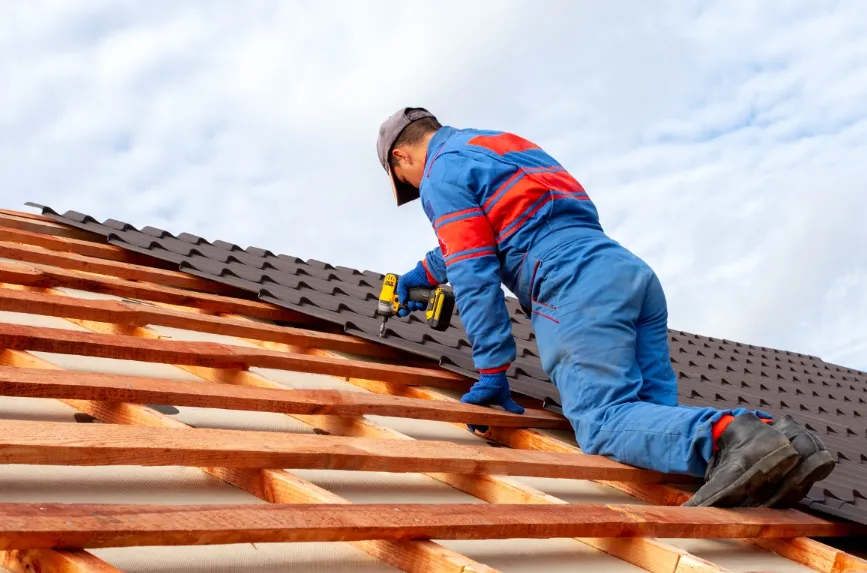
A roof leak has a way of turning into more than just an inconvenience. A few drops of water can stain ceilings, weaken wood, and even damage belongings inside the home. The sooner the issue is handled, the easier and cheaper it becomes to prevent bigger problems.
Roofers often rely on quick roof fixes that stop leaks without requiring a full replacement. These practical methods control damage while keeping repair costs manageable. By learning about these techniques that professionals use, homeowners gain insight into how small changes can protect their homes from larger expenses.
1. Sealing and Patching
Small cracks and gaps are a common starting point for leaks. When ignored, they give water an open path into the home. Roofers apply sealants or patching compounds that close these entry points. It is an easy yet highly effective process. It strengthens the weak spot and helps extend the roof’s life. For many homeowners, this fast solution is enough to keep water from spreading deeper into the structure and causing issues like mold infestation.
2. Flashing Repairs
Spotting Common Issues
Flashing covers areas where the roof meets chimneys, vents, and walls. Over time, it may loosen, corrode, or shift out of place. These weaknesses allow water to seep in and cause damage.
Making the Fix
Roofers either replace the damaged flashing or reseal the joints around it. Both methods restore the protective barrier and prevent further leaks. These steps are affordable and reduce the risk of repeated problems in the same area.
3. Change the Shingles and Replace Old Tiles
Wind, storms, and natural aging often lead to missing or cracked shingles. Even a single gap can allow water to reach the underlayment. Replacing only the affected shingles is a cost-saving option compared to larger projects.
This is one of the most common quick roof fixes used by roofers. It restores coverage and protects the deck beneath without disrupting the entire system. Acting early ensures minor damage doesn’t grow into structural repairs.
4. Maintaining Gutters and Checking the Drainage Efficiency
Clearing Obstructions
Gutters that are blocked prevent efficient water flow and drainage. Instead of working properly, the result is that water backs up and slips under shingles. Roofers often begin by clearing debris to restore the natural flow.
Improving Performance
Some repairs go beyond cleaning. Adjusting the slope of gutters or extending downspouts can improve water movement. These small adjustments protect both the roof and the foundation from unnecessary moisture.
5. Hiring Skilled Roofers
While small leaks may seem manageable, professionals know how to locate hidden sources of damage. Water often travels before it shows up inside, making the true leak harder to find. Roofers use training and experience to track the problem and repair it correctly.
Hiring skilled help also saves time. Roofers arrive with materials, tools, and knowledge to provide lasting solutions. Their expertise ensures repairs address both the symptom and the cause.
6. Preventive Maintenance
Fixing leaks solves the immediate issue, but prevention secures the future. Roofers recommend seasonal inspections to check flashing, shingles, and drainage systems. Catching small concerns before they grow saves money and avoids emergencies.
Homeowners who invest in maintenance extend the life of their roofs. Simple steps like cleaning debris and replacing a few shingles can add years of protection. Preventive care is a small effort compared to the cost of large-scale damage.
Roof leaks do not always demand a full replacement. Affordable methods like sealing, flashing work, drainage improvements, and selective shingle replacement can control damage effectively. Calling in experienced roofers ensures repairs are thorough and reliable. With professional guidance and consistent maintenance, homeowners gain peace of mind knowing their roofs are strong, secure, and built to last.
