

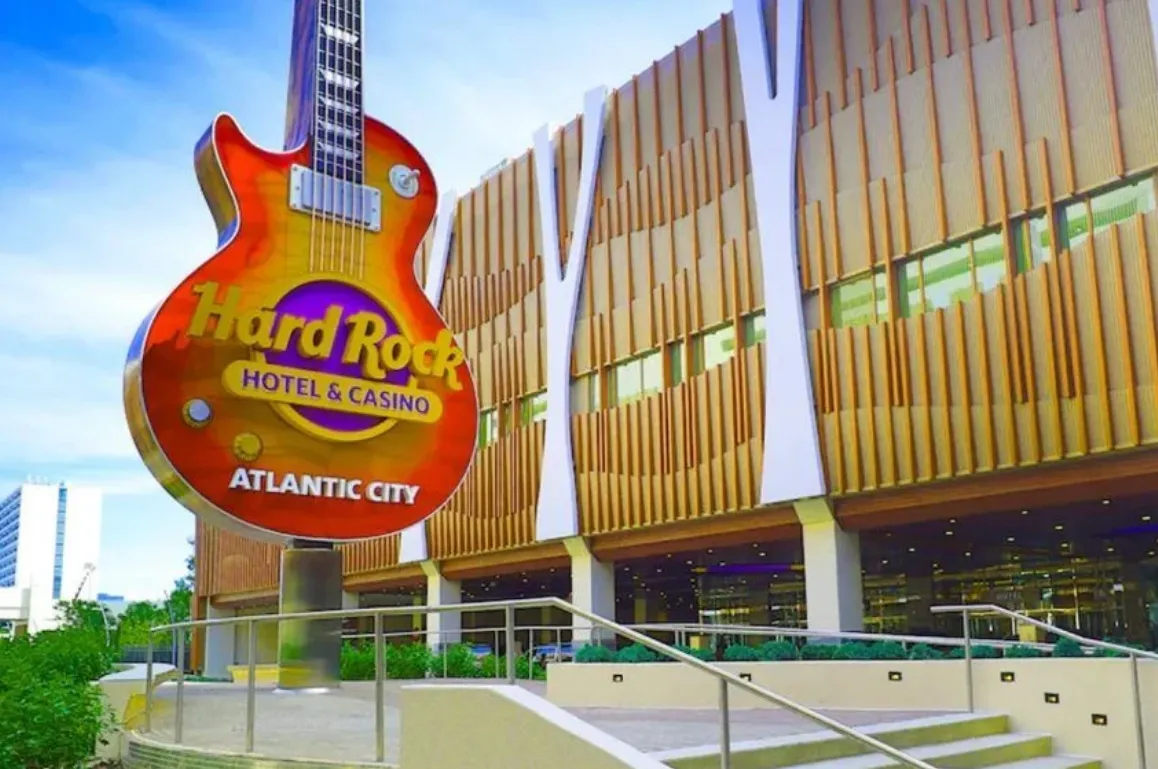
A recent report from the Lloyd D. Levenson Institute of Gaming, Hospitality & Tourism (LIGHT) at Stockton University highlights the benefits of the Atlantic City’s casino industry to South Jersey. It released the report in collaboration with the Casino Association of New Jersey (CANJ). In 2024, more than half a billion dollars went to the Casino Revenue Fund, which is a source of revenue that helps some of the most vulnerable New Jersey residents.
Nine Atlantic City casinos
The nine casinos in Atlantic City provide jobs for residents, purchase goods and services across the state, and increase tax revenue. The state also receives tax revenue from its online casinos. Residents can play at an NJ online casino using the betPARX app. The tax revenue supports programs for people with disabilities and senior citizens.
Investments in casino properties
Despite challenges such as inflation, more operating costs, and fewer visitors, the casinos continue to invest in their properties. They need to do so if they hope to compete with neighboring states. Some multi-billion-dollar gaming properties are opening in New York. The next few years could be crucial in solidifying Atlantic City’s standing in the face of increasing competition. Continued investment and revitalization are more significant than ever. Casinos are investing more in non-gaming amenities, such as spas and restaurants.
Since 2020, the casinos have invested more than $20 billion in revitalizing their properties. In 2024, they spent over $200 million on capital improvements. They reinvested in infrastructure and expanded their amenities. Online gambling offers convenient entertainment at home, so these land-based casinos need to give people a good reason to want to come to them.
Revenue is not keeping up with costs
In-person play at Atlantic City has been flat in recent years. Casinos in Atlantic City generated more than $538 million in GGR in 2024. This was a 15.4% increase from 2023. While overall gross gaming revenue (GGR) went up by 9% from 2023, land-based win decreased by more than 1%.
The GGR for land-based casinos has not returned to what it was prior to the pandemic. This is despite the reinvestments in the casino properties. Given inflation and other continuing market pressures, performance wasn’t enough to offset the expenses of operators. They charged more for food, beverages, and hotel rooms, but they had to pay more wages, etc., and so the added revenue went to increased overhead.
Number of visitors going down
Light used vehicle counts along the Atlantic City Expressway at Pleasantville Toll Plaza to estimate that about 18 million people visited the casino capital in 2024. This was a slightly higher amount than in 2023 but about two million fewer than in 2019. In 2009, there were six million more visitors than in 2024.
Atlantic City casinos still drive the local economy
When it comes to the U.S. economy forecast, the uncertainties about the scope and timing of tariffs are weighing on growth. Even if they don’t escalate, tariffs could raise inflation, lower GDP growth, and weaken the labor market.
Despite the outlook for the wider economy, Atlantic City casinos continue to persevere and are still a driving force of the local economy. The industry spent $605 million on goods and services in the state in 2024. This had a ripple effect as vendors had to hire staff and purchase resources to fulfill industry requirements.
The casino industry is one of the largest employers, with 23,000 employees. Of these, 5,000 are residents of Atlantic City and 19,000 are residents of Atlantic County. In 2024, the industry paid $883 million in casino taxes and fees. It also donated nearly $3.5 million, including $1.44 million in grants and sponsorships and over $1 million in charitable giving. It also logged 7,000 volunteer hours.
The report stresses that all stakeholders need to work together to ensure the continued success of the industry.
